
DISCLAIMER:
The following short essays
contain SPOILERS!
You’ve been warned.
Transylvanie (2023)
Directed by Rodrigue Huart
Screenplay by Huart, David A. Cassan, & Axel Wursten
Starring Katell Varvat, Lucien Le Ho, Emma Gautier, Marylou Sampeur, Théodore Laloe, & Djack Hazan-Guéguin.
Horror
15 minutes
★★★★1/2 (out of ★★★★★)
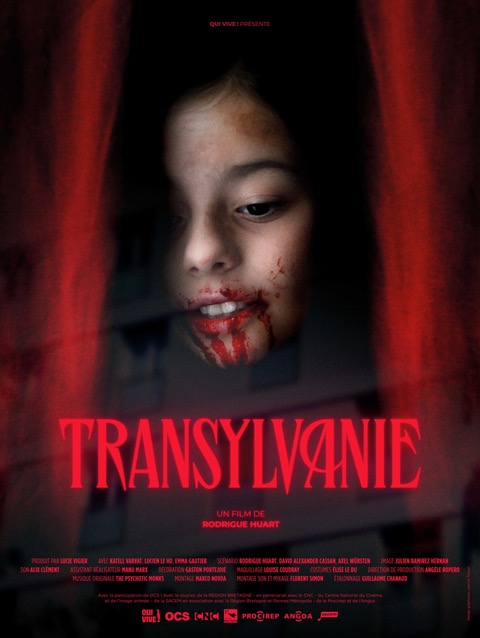 Vampire stories have been around for centuries now and have been wildly popular ever since Bram Stoker’s Dracula, so, sometimes, it feels like there’s nothing new to do with them in fiction, but Rodrigue Huart’s Transylvanie, while drawing off Stoker and newer stories like Let the Right One In, is a compelling short film that parallels loneliness and vampirism. Ewa (Katell Varvat) is a ten-year-old girl who lives in an apartment by herself and believes she’s a vampire. Or, perhaps, she is a vampire. Ewa’s lonely, and she’s starting to consider turning someone else into a vampire so they can spend their immortal lives together. But even if you’re a vampire, being a kid is still hard.
The way Ewa embodies vampirism epitomises the phrase ‘an old soul’ when people refer to kids who seem wise beyond their years. She quotes from Dracula—a wonderful, classic text, but one that’s a bit beyond most children Ewa’s age—and tells her crush/intended victim: “The burden of eternity is too heavy for me alone.” She talks the way an ancient vampire probably would, but coming from the mouth of a child it’s a great, slightly unnerving juxtaposition. Whereas the young vampire in Let the Right One In speaks like a child, Ewa speaks like the vampire she is, her speech calling back to the past, just as she yearns for the past and the people she loved.
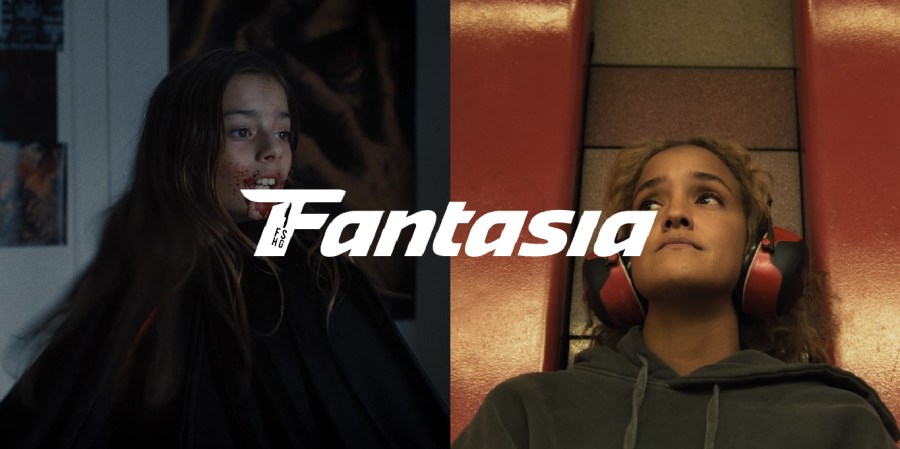
Loneliness is the focus of Transylvanie, and the viewer’s left to question Ewa’s vampirism right up until the final moments. The way Ewa navigates being a lonely, ancient soul, or just a lonely, young kid, gets at the heart of one of vampirism’s horrors: an eternity alive, watching all those around you eventually die while you continue on, and, in Ewa’s case, an eternity as a child despite the old soul within. We hear mention of Ewa’s brother and see an old photograph of someone in her apartment, only hinting at her deep loneliness. In the last moments of Transylvanie, the pain of loneliness takes shape as an act of potential human suicide before the viewer finally learns Ewa’s truth. For a moment or two, the terrible horrors of a lonely young girl grip the screen while Ewa’s broken little body lies still against the pavement. After that, Transylvanie ends on a classic note of Gothic romance, as Ewa has hopefully found the one to help her “beat this terrible loneliness.” A chilling, clever take on vampires for a 21st century marred by isolated, disconnected people.
 White Noise (2023)
Directed by Tamara Scherbak
Screenplay by Scherbak & Christina Saliba
Starring Bahia Watson, Ryan Hollyman, HoJo Rose, & Guifre Bantjes-Rafols.
Horror
15 minutes
★★★★1/2 (out of ★★★★★)
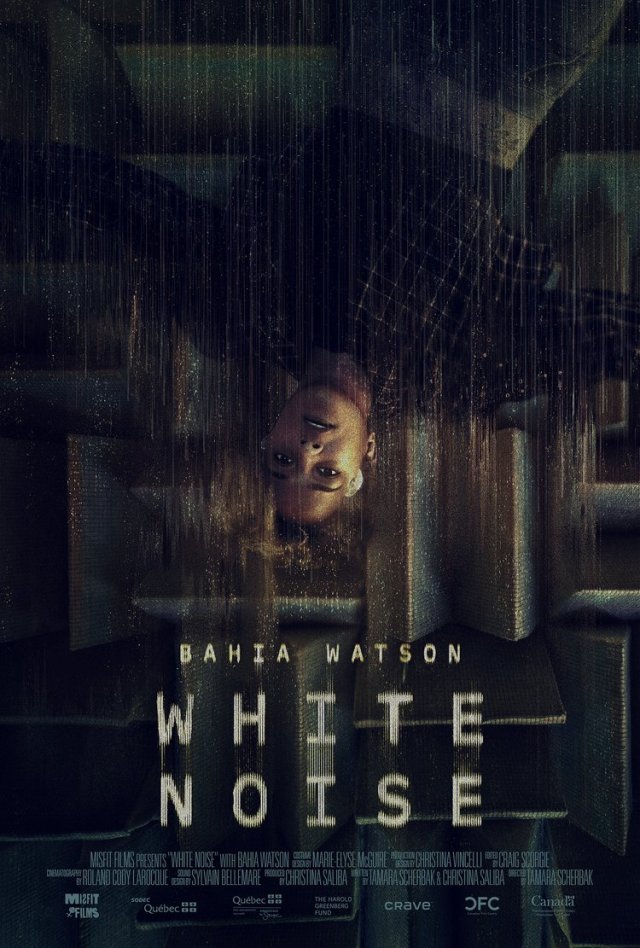
Another wonderful short that played Fantasia 2023 is Tamara Scherbak’s White Noise. The film centres on Ava (Bahia Watson) and her noise sensitivity, which has gotten so bad she can barely go outside without noise-cancelling headphones to drown out the pain she feels. Problem is, Ava’s doctor can’t find anything wrong with her physically. She eventually pushes to try an anechoic chamber since nothing else is working. When she steps inside the soundproofed chamber, she’s wrapped up in silence. But then, the smallest sounds of her own body become too loud: her heart, her stomach, the blood rushing in her veins, her eyelids fluttering like butterfly wings, her joints creaking and cracking. It’s all a little too much for Ava to bear, and with no escape once she’s locked inside the chamber.
The class at the start of White Noise is greatly significant because we hear that Ava’s class is studying Artemisia Gentileschi, a seventeenth-century artist. The significance is that Gentileschi, for centuries, has largely been defined by the pain she suffered due to Agostino Tassi raping her, and the subsequent trial during which she was tortured with thumbscrews in an effort to ‘verify’ her story. Gentileschi’s life defined by pain in connection with patriarchy through her treatment in the courts is similar to the way Ava’s life becomes defined by pain and the patriarchal structures surrounding her, specifically the world of healthcare which treats women and people of colour differently than men/white people. Ava’s told there isn’t anything physically wrong with her, but the doctor doesn’t suggest any psychological course of action, only “sound exposure.” He asks her if she wants “a normal life” in a tone that suggests she’s the one standing in the way of such a life. White Noise works as a powerful indictment of all the ways the healthcare system fails those in need by not listening to their lived experiences of pain. Ava’s final violent decision, an effort to stop her pain, is a horror film rejection of the white patriarchal structures that forces people experiencing pain to seek out their own remedies, often to their brutal detriment.
 Father Son Holy Gore