

One of the joys in my film writing career over the past handful of years has been covering Fantasia, and yet again, for my 6th year in a row, I’ll be covering the festival in 2024. The genre films that come to the festival are some of the best you’ll see anywhere; they come from all over the world, thankfully finding a home during the summer at Fantasia.
While a lot of attention and press obviously goes to the features on display at most film festivals, Fantasia does a spectacular job of showcasing a variety of different shorts from all corners of the globe, many of which are experimental and/or absolutely bonkers. Fantasia’s one of the best places to discover fresh new voices in film, from the features to the shorts; you can always bet that some of the short film directors at Fantasia will go on to do bigger things in the feature film world. So if you’re at the fest in person, be sure to check out as many of the shorts as you can. Although no matter what your viewing choices are at Fantasia, you’ll eat real well.
 The following is a list of feature films and short films that Father Son Holy Gore hopes to cover this year during Fantasia:
Features
In Our Blood
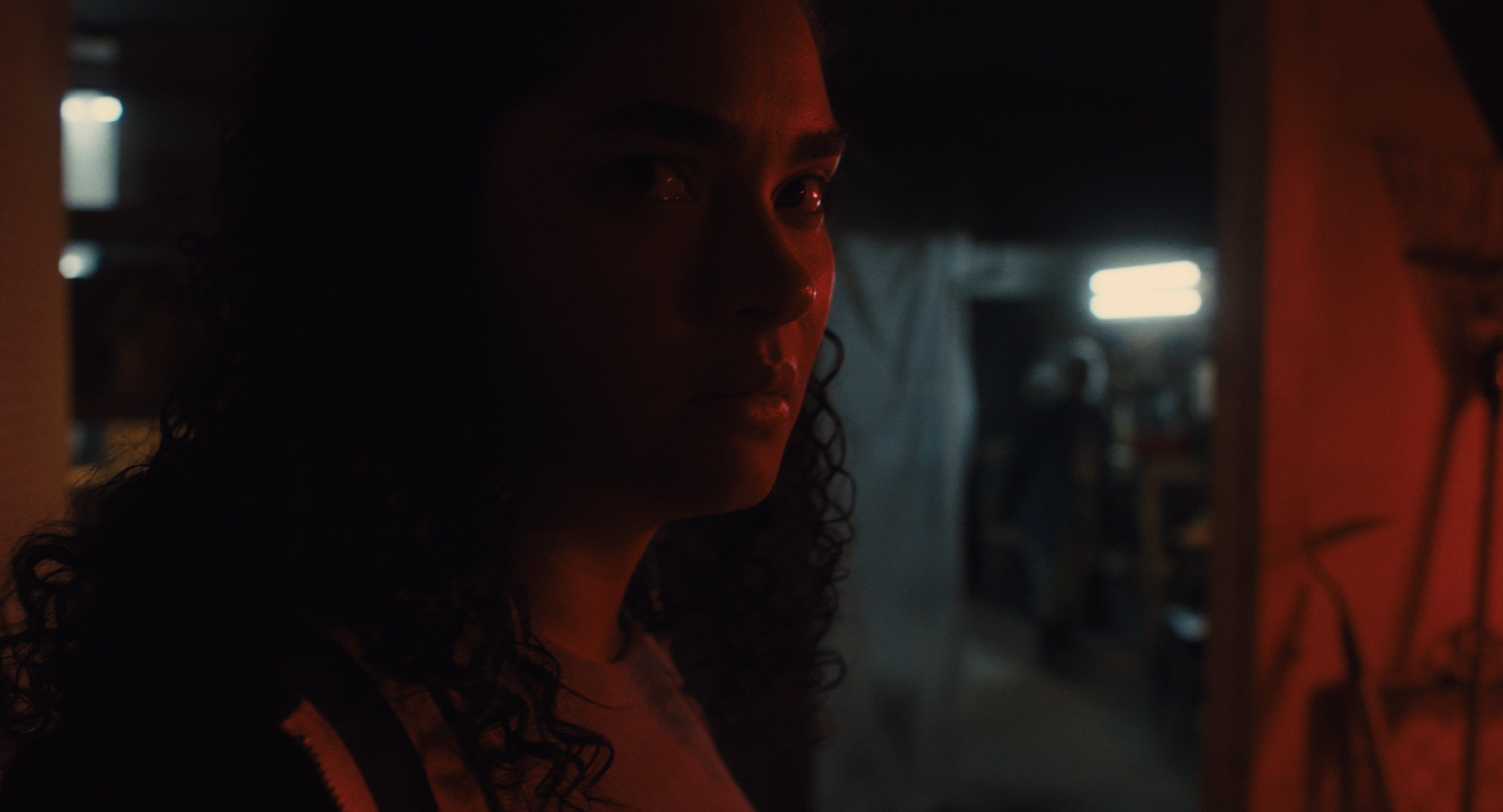 Pedro Kos, an Oscar-nominated documentary maker, brings his narrative feature debut to Fantasia with In Our Blood, a psychological horror starring Brittany O’Grady and E.J. Bonilla. The plot follows a filmmaker and a cinematographer coming together to make a documentary about the former reuniting with her estranged mother after 10 years. When mom goes missing after potentially falling back into addiction, the filmmaker and her cinematographer have to piece together a sinister puzzle. This one’s a creepy story of dealing with our past ghosts and dealing with how so many of us play a part in making the world a difficult place for vulnerable people.
Azrael
 Azrael is the latest film from director E.L Katz, penned by Simon Barrett and starring Samara Weaving. Apparently this one’s a bloodbath full of tension. No surprise either that a lot of critics are already saying Ms. Weaving delivers another cracking performance. The film concerns a silent world and a young woman fleeing a devout female-led community only to be captured by the community’s leaders who have evil plans to sacrifice her in an effort to appease an ancient entity. And you guessed it: this young lady won’t go quietly.
The Silent Planet
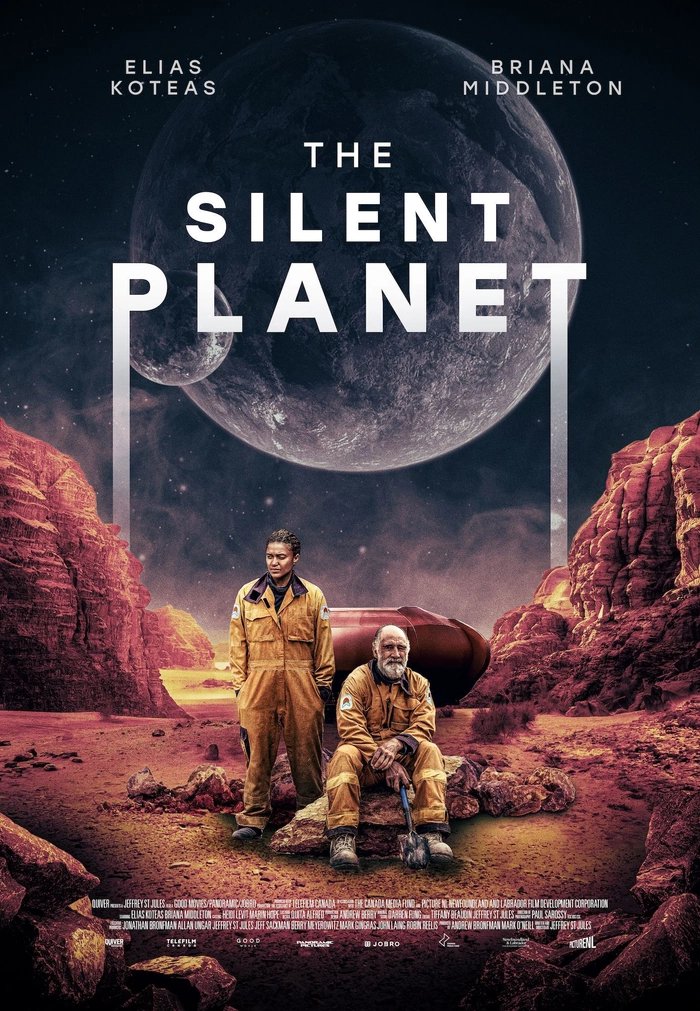 Jeffrey St. Jules’s The Silent Planet stars Briana Middleton and Elias Koteas in a tale of two inmates sentenced to life doing hard manual labour on a distant planet. When things get tough for the prisoners, they start to fall apart, becoming increasingly paranoid while they also start to lose a sense of themselves and who they were once upon a time. Science fiction is hit or miss for me, yet Middleton and Koteas together sounds like a delight, and the plot reads like an existential whirlwind.
Black Eyed Susan
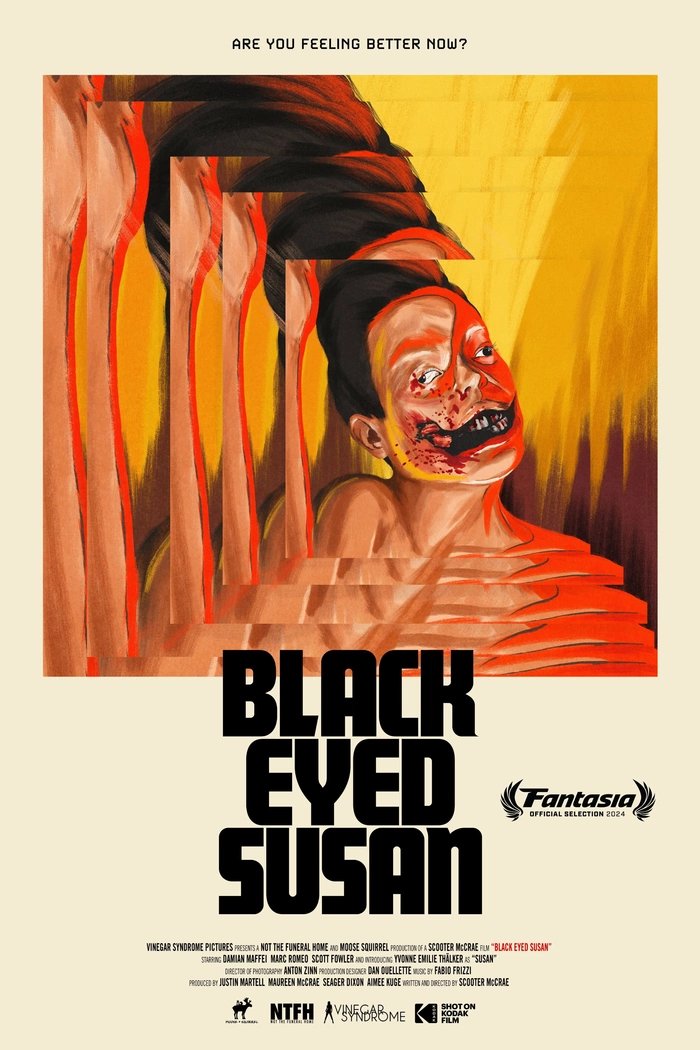 Scooter McCrae delivers Black Eyed Susan to Fantasia this year: a man takes a job in a tech startup replacing a friend who died recently, as he works on a major project alongside a cutting-edge BDSM sex doll equipped with evolving artificial intelligence. Just this short description brings up ideas which might go beyond the uncomfortable metre. McCrae’s no stranger to BDSM in his work—his 1999 science fiction-horror Sixteen Tongues takes place in an S&M hotel—but Black Eyed Susan sounds like it’s coming along at the right time in history given all the understandable apprehension surrounding artificial intelligence in 2024.
Steppenwolf
 In Steppenwolf, directed by Adilkhan Yerzhanov, a woman living in a terribly violent place goes looking for her missing son and enlists the help of an ex-detective with few morals. She’s not too worried about his brutal methods if it means locating her son again. Those who’ve seen Yerzhanov’s new film already have described it as harrowing, nasty, bleak, and blood drenched. Not enough to sell you? Mitch Davis calls it “a Kazakh Mad Max directed by John Ford . . . [with] chilling doses of post–Soviet nihilism and morbid black humour.”
Self Driver
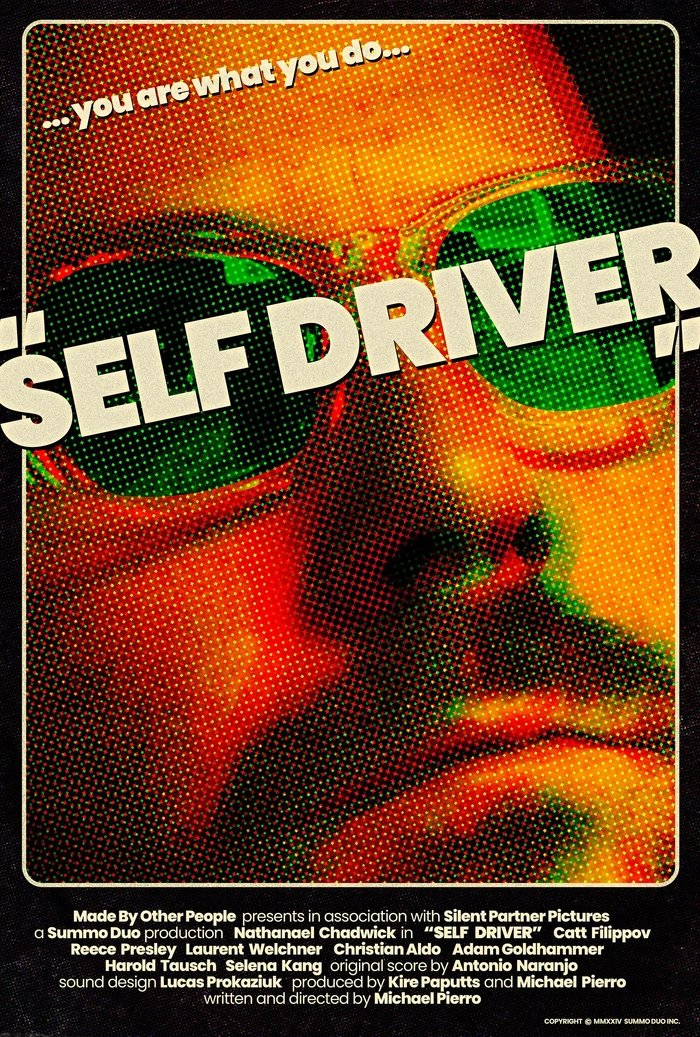 Today’s ‘gig economy’ has already produced a few films, and now we have Michael Pierro’s Self Driver starring Nathanael Chadwick as a man laid off from his office drone job who starts working as a rideshare driver. Chadwick’s protagonist has trouble making ends meet in his new position until he hears of a lucrative opportunity using a new app from a company called Tonomo. The job begins chipping away at the man’s morals. Self Driver sounds loaded with likely horrifying social commentary concerning the things many are forced to do in order to pay the bills in this strange, often twisted 21st-century economy.
The Chapel
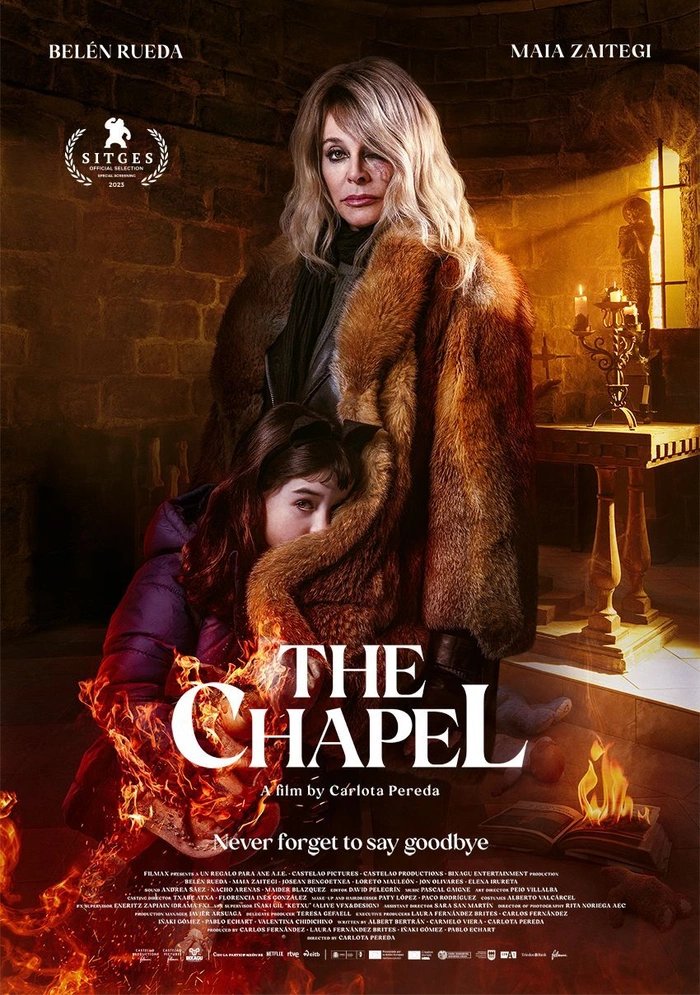 Carlota Pereda only recently wowed me with her 2022 debut feature, based on her own earlier 2018 short film, Piggy; a stunner of a horror wrapped in serious themes. Now, she’s coming to Fantasia 2024 with The Chapel in tow. Her latest is about a child trying to communicate with a ghost trapped in a hermitage for centuries, and the sceptical medium she tries convincing to help her. The Chapel sounds a far cry from Piggy, though sounds, in a completely different way, just as female centric. Plus, there’s dead moms, hauntings, and supposedly a whole lot of atmospheric Spanish horror going on. Hard to resist this one.
Cuckoo
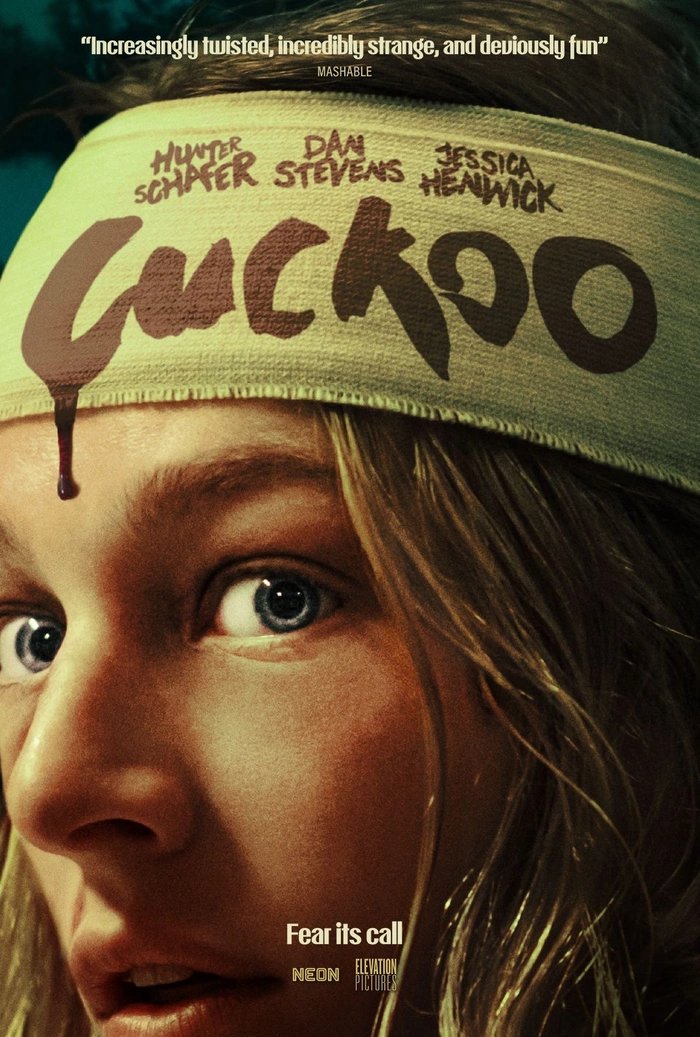 As soon as I saw Luz, I knew Tilman Singer was a unique and powerful filmmaking talent. Singer’s newest film Cuckoo is a horror-thriller about a 17-year-old girl who leaves America to live with her father and his new family at a resort in the German Alps. Then she starts to hear strange noises and have terrifying visions that lead her to a shocking truth about her own flesh and blood. Singer’s style is enough to make anyone want to check this film out if they’ve witnessed Luz, and the plot description makes Cuckoo all the more worthy of anticipation.
Haze
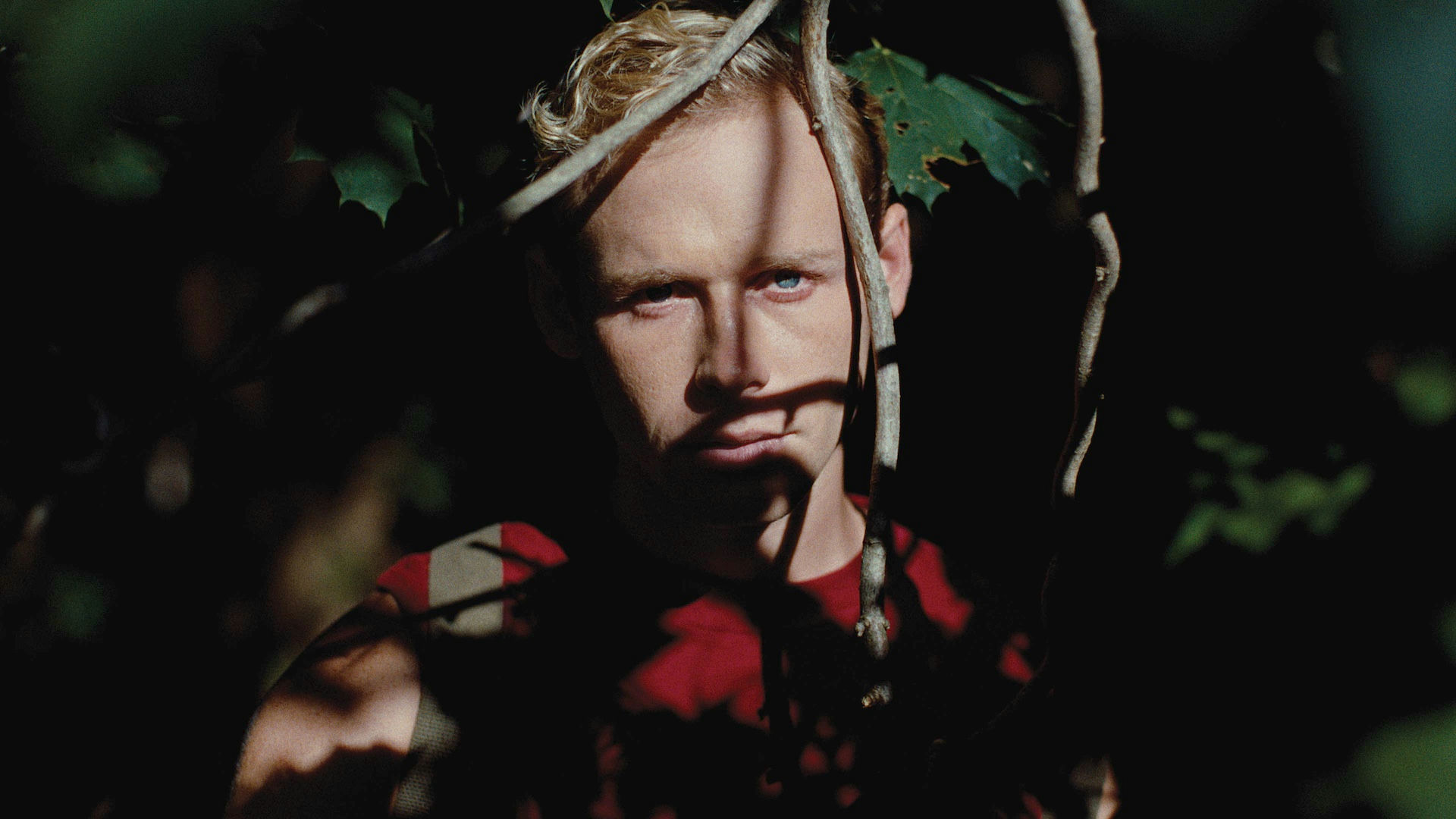 Matthew Fifer’s Haze is set in small-town America and involves an effeminate man called Joseph returning to his hometown to investigate an infamous but not-talked-about-case of eight gay men who supposedly killed themselves years prior at a now-abandoned psych hospital. Joseph comes across people from his childhood and other local folks; he even develops an intimate relationship with one of them. Problem is, this is right about the time suspicious deaths begin in the neighbourhood. Fifer’s no stranger to queer territory in film, yet Haze is certainly poised to be something far different, far darker than his previous romantic drama Cicada.
Kryptic
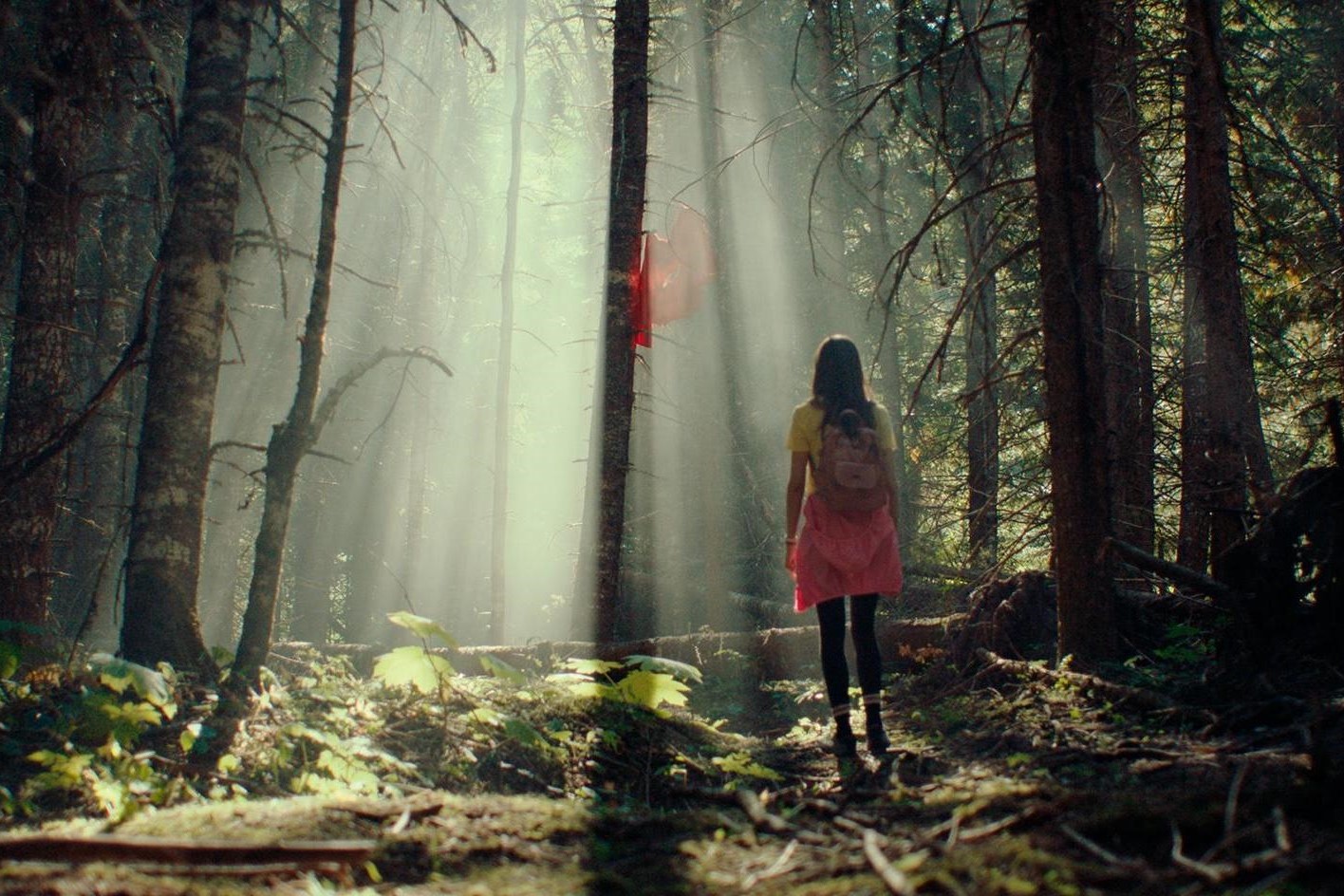 Kourtney Roy’s Kryptic is instantly compelling from its succinct description as being a film about a woman searching for a missing cryptozoologist, as she starts to understand she’s linked to a mysterious creature the cryptozoologist was trying to locate. Anything cryptozoology-related has my interest from the jump. According to Alejandra Martinez from the Austin Chronicle, Roy’s debut feature film is chock-full of compelling themes regarding “autonomy and self–realization.” Giddy up!
The Soul Eater
 Time for another Julien Maury and Alexandre Bustillo joint! Some find their films hit-or-miss, whereas I’ve loved just about every last little thing they’ve done to date, right up to their most recent film The Deep House. Their latest is The Soul Eater—adapted from the novel of the same name by Alexis Laipske—a film that’s more of a dark procedural with mystery/thriller elements, though not without its horrific, vicious moments and an air of the occult. The Soul Eater is a local legend meant to scare kids from going into the woods; however, the plot reveals this may not be a myth. In what’s become a Maury-Bustillo tradition, everything soon devolves into horrible tragedy.
Shorts
98%
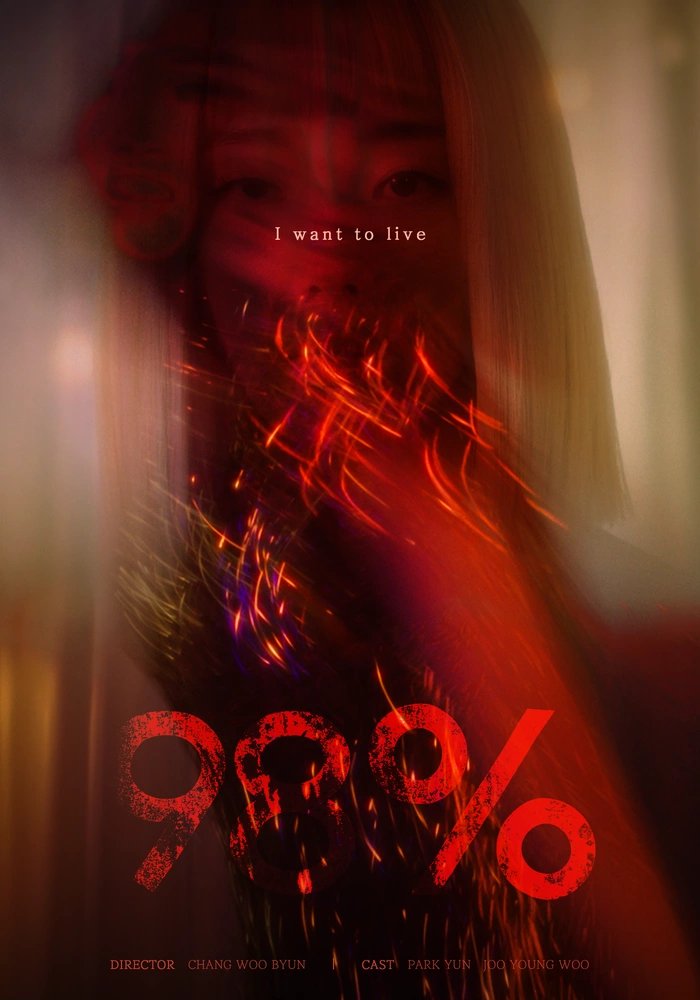 Director-writer Byun Changwoo’s 98% tells the story of a fundraising org that helps the disabled through money made by online broadcasting, but they don’t actually help them, instead keeping the money and mistreating the disabled. A deaf woman gets involved, then resistance against the org begins. This one’s supposed to be shocking, taking on prejudice with its unique premise.
The Accomplices
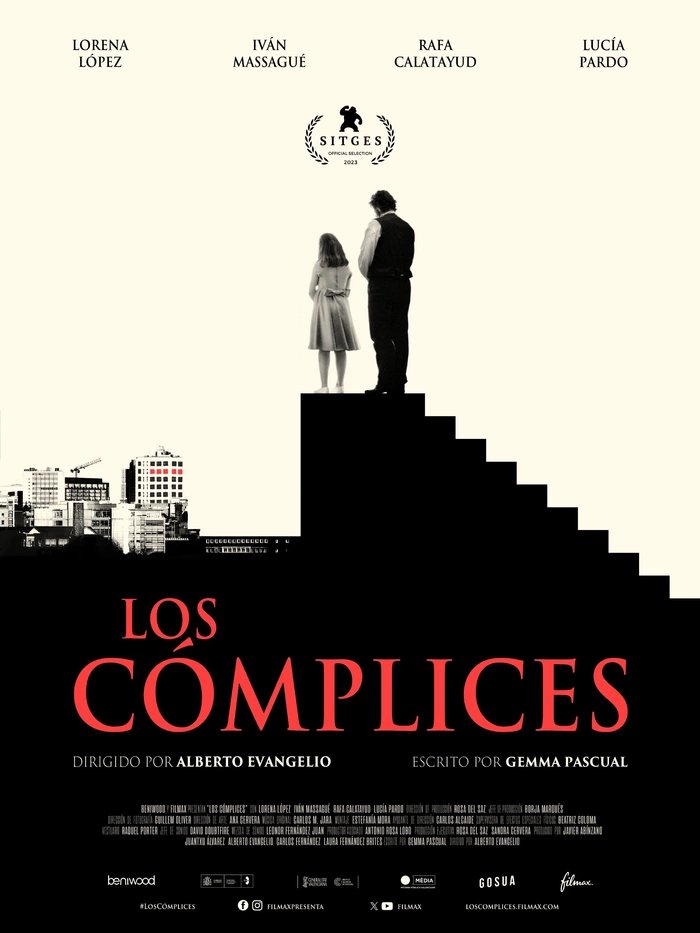 The Accomplices, directed by Alberto Evangelio and written by Gemma Pascual, tackles compassionate assisted death through the prism of a horror film. Again, social commentary in horror is Father Son Holy Gore‘s wheelhouse, so The Accomplices sounds like a hopefully dark treat.
Affamé
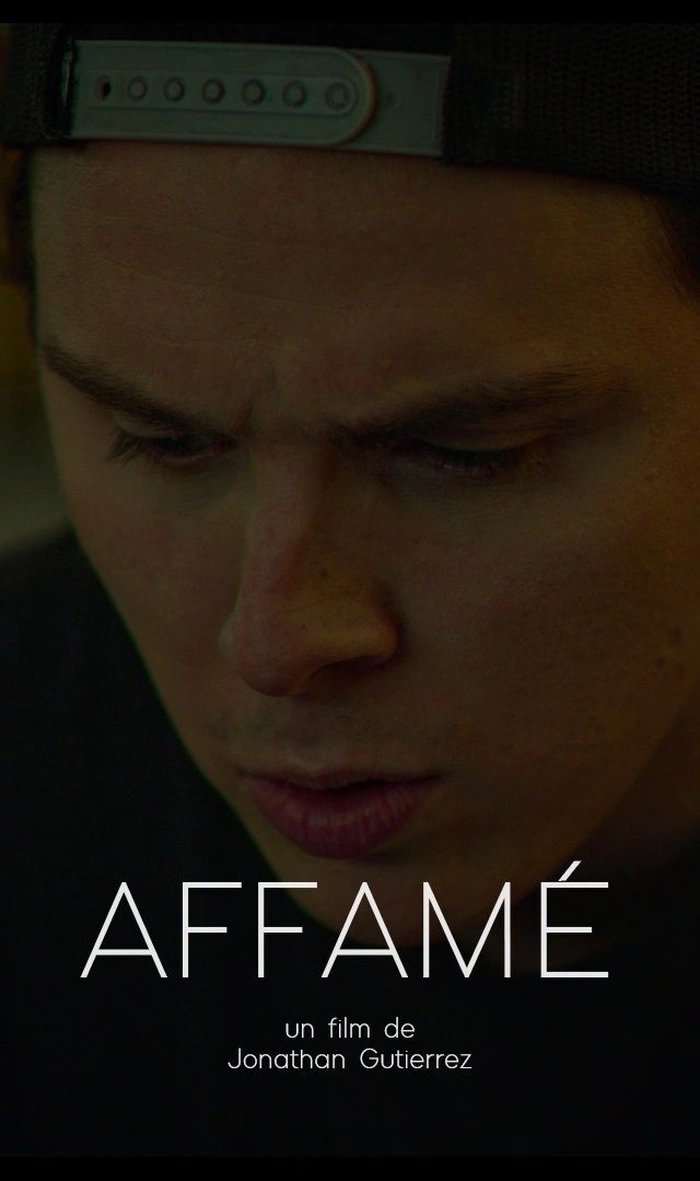 Jonathan Gutierrez’s Affamé is a thriller about Joe and Sophie, who’ve just matched on Tinder and are headed out on their first date. For those who don’t speak French, the word ‘affamé‘ translates to something like hungry, famished, or starving. Are either Joe or Sophie hungry? What are they hungry for, exactly? Gutierrez’s short, with a bare-bones plot description combined alongside its intriguing title, promises something that just might be terrible, in the best kind of creepy film way.
Berta
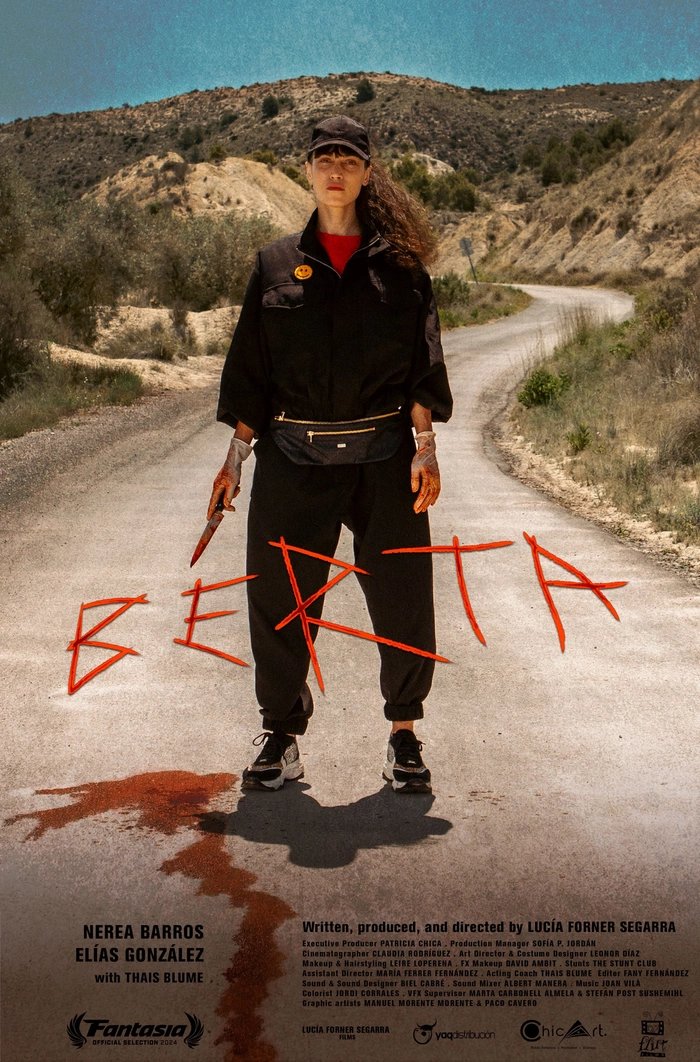 Berta is written, produced, and directed by Spanish filmmaker Lucía Forner Segarra, and focused on gendered violence. The short revolves around the eponymous woman who’s looking for understanding from a man that caused her harm in the past; she goes about finding that understanding in a way that might seem unusual to certain folks, but also in a way that makes her intentions very, seriously clear. Berta is about accountability and a woman reclaiming power in the wake of brutality. My body is READY!
Birdcage
 While I can’t say for certain without having yet seen it, Birdcage (directed by Karel Konings) sounds like it might just be ripe for interpretation concerning some of today’s issues centred around kids. Konings’s film is set in the early 1950s at a strange hospital where supernatural children are being put to death by scared doctors. Birdcage is equal parts drama, thriller, and also fantasy, which makes its plot all the more scrumptious.
Desh
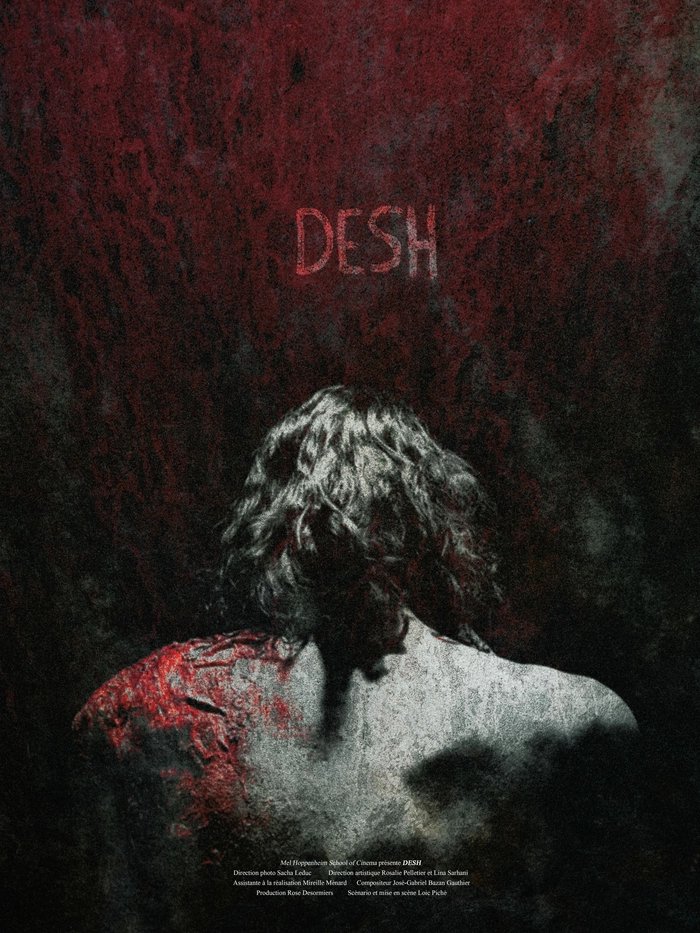 Desh‘s story sounds like something singular: when field hockey players start to celebrate a significant win, they start to encourage each other to become more brutal and more petty until a few of them begin transforming into monsters. What else can you say about that? I’d grab a ticket now if I were you.
Dirty Bad Wrong
 As the social acceptance of sex work gradually shifts more towards the positive, albeit far too slowly, along comes Erica Orofino’s Dirty Bad Wrong, a short about a young mother making her living as a sex worker and trying her best to give her 6-year-old a wonderful birthday party. In order to keep her promise for a big superhero party, she has to book a client with a dark fetish. Big potential in Dirty Bad Wrong for disturbing, wild things.
Edith
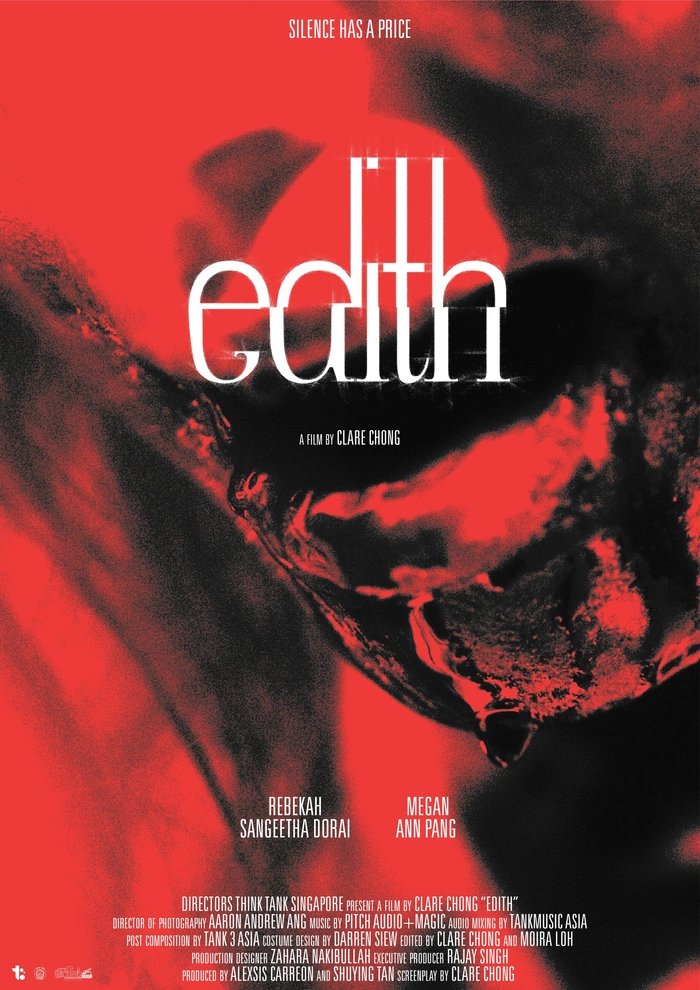 From director-writer Clare Chong, Edith is a story about an outcast trying to find acceptance by any means necessary. Some people, especially in today’s online culture, would do anything to be accepted by the mainstream. Maybe they’d make themselves look foolish. Maybe they’d be a bit cheesy on video. But maybe, just maybe, they’d do something terribly dark. And what if that still wasn’t enough to find acceptance? What happens then? Edith could possibly swallow you whole into the abyss. Wait and see.
Faces
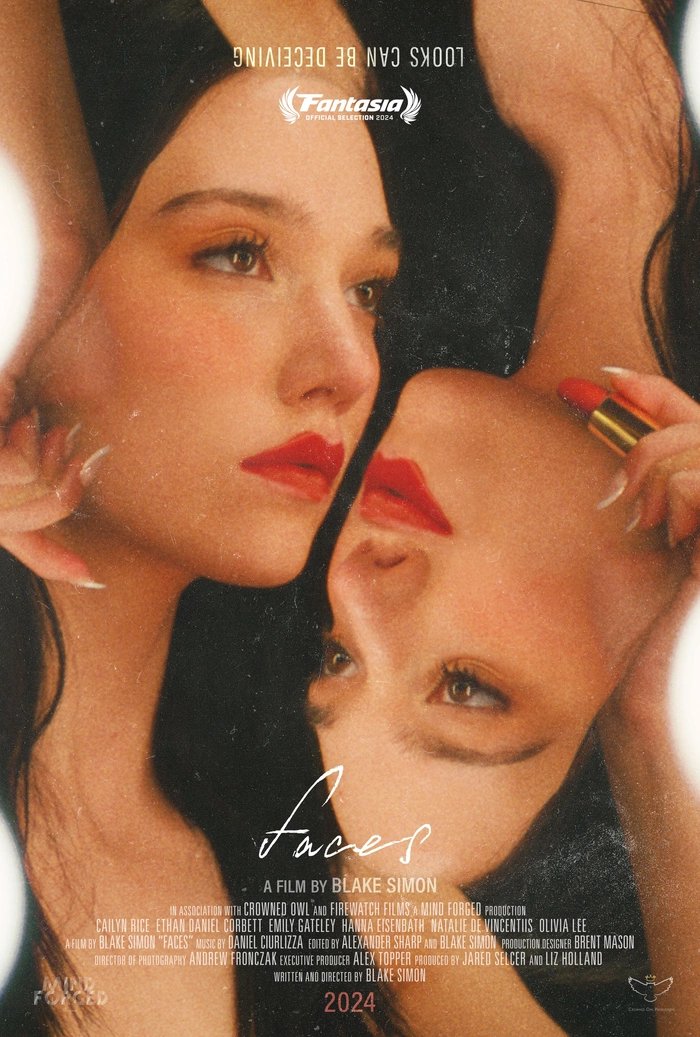 Blake Simon’s short film Faces depicts an awful entity terrorising a group of college students. Mitch Davis writes that Simon uses intricate design and elaborate staging to bring “vivid freshness to an ageless horror theme.” Is this a demonic possession horror film? Perhaps. Either way, sounds as if it’s a unique piece of cinema. Simon has directed a number of shorts over the past decade or so, not to mention he was an associate producer on the recent Indiana Jones and the Dial of Destiny (though don’t hold that against him).
Fuck the Crops
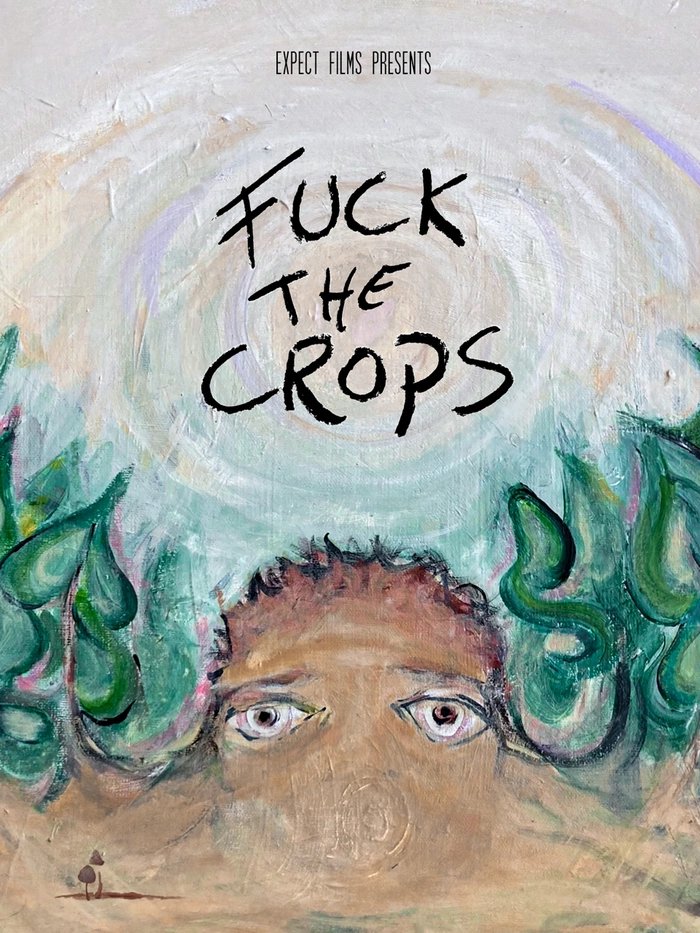 Fuck the Crops, directed by duo Tobias Frøystad and Tayo Cittadella Jacobsen, gives us what sounds like a contemporary vision of what supposedly happened in Eden, after a girl is caught eating forbidden fruit and it has consequences for everyone around her. I love a good subversion of religion and Fuck the Crops may just be that. Even if not, Frøystad and Jacobsen’s short has the makings of something special, even just from its unabashed name.
Hunter Loading
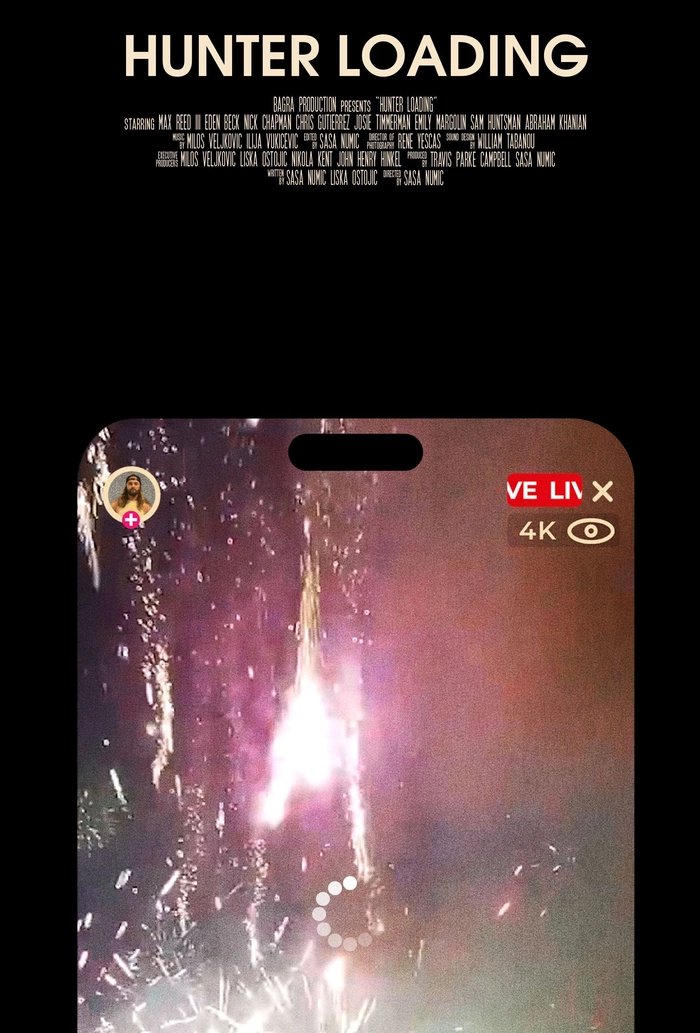 Sasa Numic’s Hunter Loading is about a Tik-Tok prank during a homecoming party that goes bad after a friend exposes a soldier’s wife cheating, lighting a fuse of rage and violence when the stream starts to go viral. Numic shot the whole thing in portrait mode, giving it a natural feel. Most interesting is what Numic, who co-write the short with Liska Ostojic, said about why he made the film in the first place: “When I started working on this project a couple of years ago, I had no idea what levels of recorded violence were just around the corner for us, streamed from a war–zone half a world away. And I had no idea how easy it would ultimately be to just scroll past. This is our reality. This is it. I am scared. And that‘s the best reason to make a film.” (Oh, and by the way, Free Palestine.)
Pretty Sad
 While everyone else loves his work I’m not entirely a big Jim Cummings fan, yet his short film (penned by Emily Ruhl) Pretty Sad has already drawn me in with its concise description: a glamorous young woman puts herself back together after enduring an episode of vicious violence. The poster has a film noir feel, and even if I don’t exactly love Cummings’s films, he has absolutely brought fresh perspective to old, familiar ideas, so we should expect no less here, either.
Réel
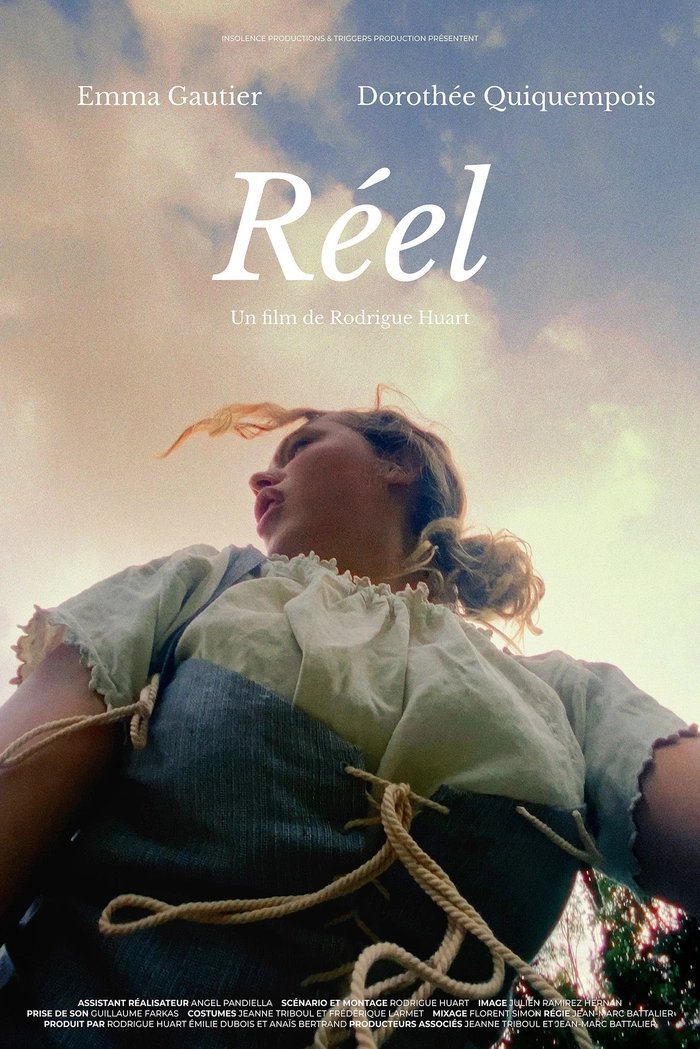 All you need to know about Réel—directed by Rodrigue Huart, whose short film Transylvanie was one of my favourites at last year’s Fantasia—is that it’s set in Coutances, France during 1825 and follows a pair of farmer girls who come upon a cellphone in the fields of their commune. If you don’t dig that, check your pulse.
Wildmen of the Greater Toronto Area
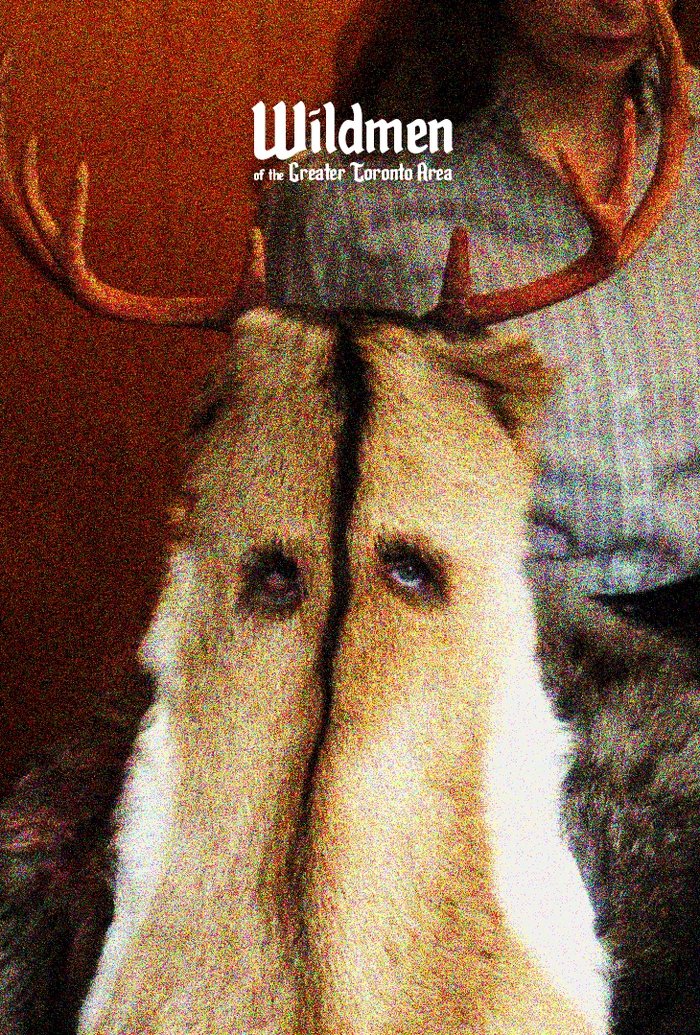 Wildmen of the Greater Toronto Area speaks my language: Solmund MacPherson’s short depicts Torontonians renouncing their humanity in droves to legally transform into animals in response to the continually rising cost of living in the city, trading apartments and asphalt for a new society of ‘Wildmen’ living in the GTA’s extensive network of ravines. The poster is delightfully odd; an itty bitty glimpse into what MacPherson has in store. The description promises more social commentary, though it’s listed as a drama, so this one’s genre elements might not be exactly what you’re expecting.
Dream Factory
 Alex Matraxia’s short film Dream Factory is an experimental piece exploring the history of movie theatres as a site for cruising, as well as nostalgia and fetish in relation to navigating queer history and cultural memories. Lots of playing with gender and genre at once. Matraxia’s Dream Factory may just be one of the most singular works at Fantasia this year, promising ghosts looming outside of the horror genre, and a dose of queer liberation in a time when queer/trans lives are continually under attack.
 Father Son Holy Gore
Pingback: From Our Members’ Desks (Jul. 8, 2024) – Online Film Critics Society