
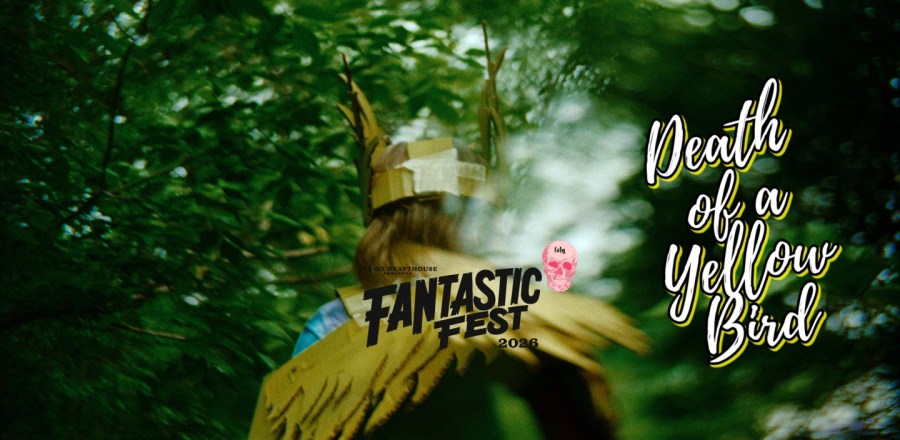
Death of a Yellow Bird (2026)
Directed & Written by Cody Calahan
Starring Ari Millen
Horror
★★★1/2 (out of ★★★★★)
Cody Calahan’s Death of a Yellow Bird follows a dying man (Ari Millen) who decides to return to his childhood home where he intends to film a video to leave behind for his son. After the man arrives, he starts to feel a presence around him. He finds a crawlspace in the floor where he locates a duffel bag, inside of which is an old camcorder, old photos, and a VHS tape. This leads the man back into the memories of his childhood, including painful ones. As he explores his childhood through VHS, he starts to hear a strange, dark voice on the tape. He begins to have visions of his early life, though not everything is entirely clear. Who is the voice speaking to him? Could it be his father? His brother? Or, something darker?
Death of a Yellow Bird is an emotional experience, not only due to the subject matter but also due to the personal inspiration behind the film. It’s a story about grief and the potential of what comes after, as well as the catharsis that properly grieving and confronting the truth can possibly bring. The film’s protagonist grapples with his own mortality and just as much with his memory, as he struggles to make sense of senseless loss. What he discovers is that grief never leaves us, it’s simply about how we cope that determines the level of terror grief brings into our daily life.
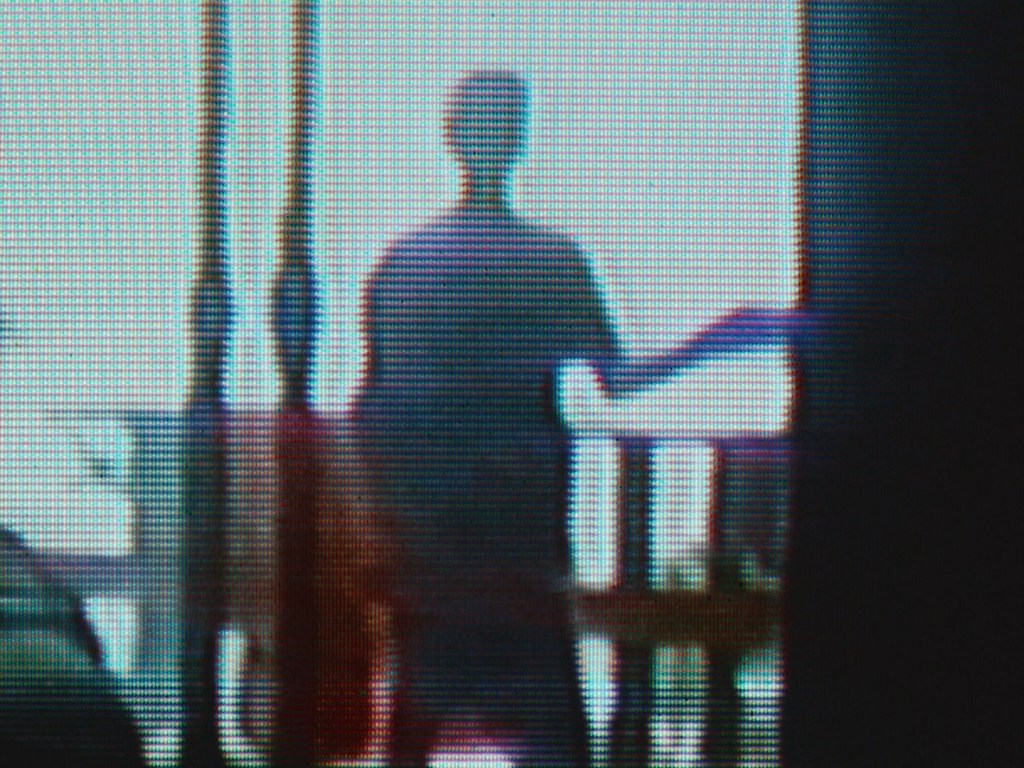
VHS provides the film’s protagonist a window into his personal history and becomes a ghostly connection with a traumatic past. The protagonist and his wife talk about the VHS tapes containing footage of his brother, and she says that it was “like he was suddenly alive again.” Film, whether photos or video, is a way to memorialise people long after they’re gone; video is particularly good at this because of the fact the images are moving. Whereas photographs capture a single moment in time, video captures people in motion as if they’re ghosts. The film’s ghostly presence in turn helps the protagonist unearth more ghosts from the past through the tapes. At one point the dying man tells his son via videotape: “And this might seem weird getting a VHS tape. Might as well be carving a message in a rock.” Perhaps his ghost on VHS will also help his son with the past too someday. The advantage of video particularly is that it can be better than memory, at least in earlier forms like VHS; a video is a concrete thing, especially in the day of VHS since it took more than opening up an app or a camera roll to actually edit video. At times, Death of a Yellow Bird‘s protagonist is led astray by his own memory, so it’s the VHS tapes that lead him back towards the truth, no matter how painful or regrettable.
The most spectacular part of Death of a Yellow Bird is how Calahan portrays grief as a physical thing by having a supernatural presence in the house with the protagonist. The presence moves things and speaks like there’s another person genuinely in the room. This is how Calahan presents the reality of grief and how grief sometimes feels like the person you’re grieving is still right there, still in the room, still whispering in your ear. The dead are with us no matter where we go, regardless of whether their ghosts are a supernatural presence. Just the memory of those who’ve died can sit in our throats and our chests with the weight of a real corpse. Death of a Yellow Bird is a film about grieving in a couple different ways. The protagonist is at once grieving the life he’s soon going to lose and the earlier death of a family member. In the end, it feels as if Calahan’s film suggests that grieving is never truly over, but that we can still manage the pain we’re given so it doesn’t haunt us forever; if we must live with our grief, it doesn’t have to feel monstrous.

