
Klee (2026)
Directed & Written by Gavin Baird
Starring Seth Cardinal Dodginghorse, Hannah Brennen, Joan Mylmok, Gin Fedotov, Todd William Lewis, Michael Barber, Timothy Boechler, & Dylan Crosby.
Horror / Science Fiction
★★★★★ (out of ★★★★★)
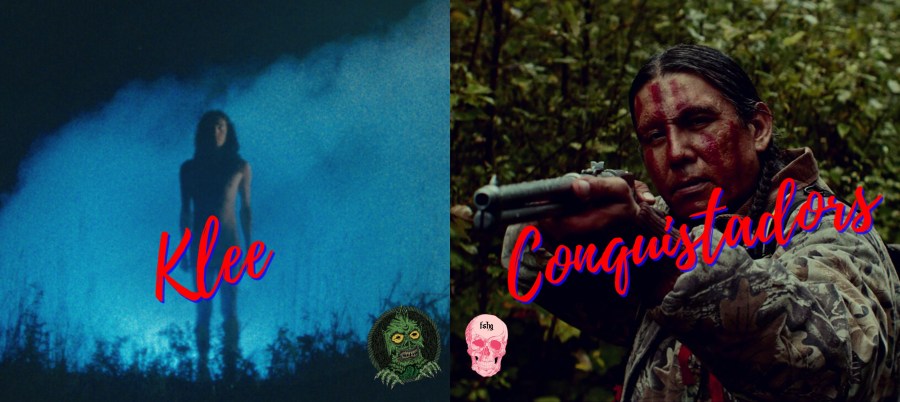
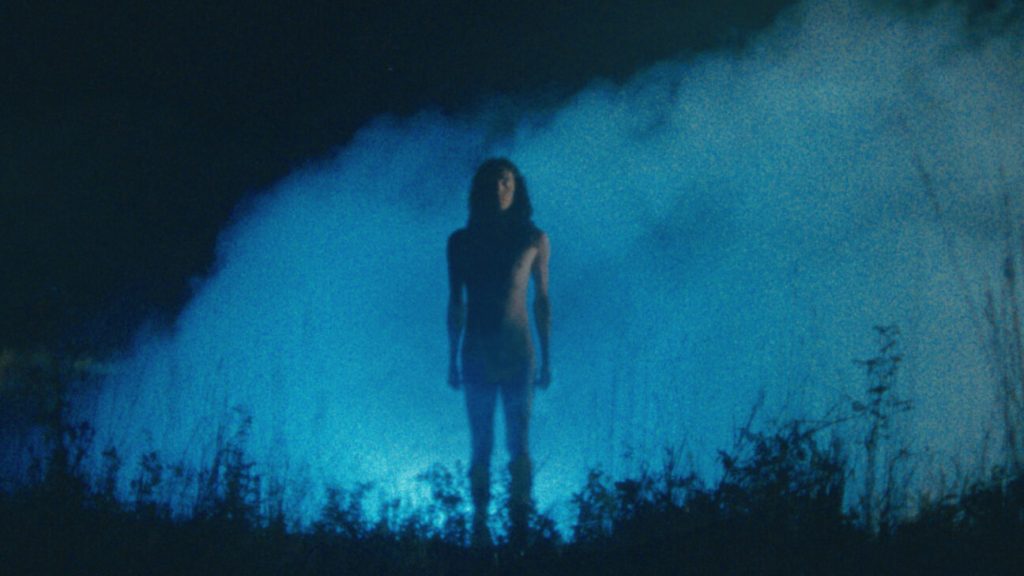
Gavin Baird’s Klee takes places in Saskatchewan during 1885 after a meteor lands in the woods, from which an Indigenous person with a huge cock emerges. They encounter white men and Mounties and Christianity. They later encounter a white woman and her family. There’s a lot of sex along the way—for everybody! A tale of cum and colonialism like Kent Monkman meets Xtro.
Klee is a brilliant genre film that takes on a settler-colonialist perspective of Indigenous people as some kind of alien species, brought to an extreme boil later when the aforementioned impressive Indigenous cock takes on a life of its own and a Mountie shouts for someone to “kill it.” Klee is also perfectly set in 1885, a significant date for Canada and its relationship with Indigenous peoples. 1885 is the year of the North-West Rebellion which took place in current-day Saskatchewan and Alberta; under the leadership of previously exiled Louis Ariel, the Métis—and separately, an uprising by the Cree and the Assiniboine—took up an armed rebellion against the Canadian government. In Klee, a white settler makes clear the sentiment of the day in 1885: “These foul beings need to be stopped.” The short embodies all sorts of fears white settlers had, and to an extent still have today, about Indigenous peoples, particularly sexual anxieties. Baird’s film can best be described as a historical satire that uses genre conventions. Klee is a wonderful, weird riot.
Conquistadors (2025)
Directed & Written by Byron Gouette
Starring Johnny Arnoux, Shane Elmendorf, Eliott Glasser, James Hoback, Carolyn Jean, Rob Mathison, & Lauren Nabahe.
Horror
★★★★1/2 (out of ★★★★★)
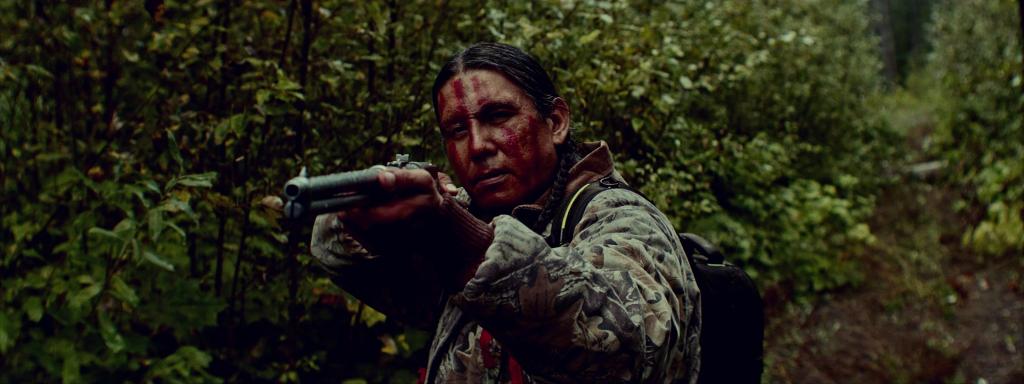
Byron Gouette’s Conquistadors follows a man called Akecheta (Johnny Arnoux), whose daughter just barely escapes a demonic cult. He sees the home of his ancestors being desecrated, so he decides to take action against all the violence. He’s tired of watching the land his daughter was meant to inherit be “stripped of its voice.” He insists: “We are still here.” Then he begins to hunt the demonic men terrorising the land.
Like Klee, Conquistadors takes on colonialism, albeit in a much different, more bloody way. Just the name of Gouette’s short alone is a reference to Spanish colonialism. Akecheta takes on an evil cult of white men whose sense of spirituality appears to be derived only from destruction and death, as if opposed to nature itself, and an Indigenous way of life/relation to the land. Akecheta does a valiant job in his quest to bring justice. Conquistadors goes for a bleak ending that suggests everyone succumbs to the terror of colonialism, expertly captured in one of the short’s final images as Akecheta’s own eyes bear the mark of colonialism’s demonic whiteness.

