
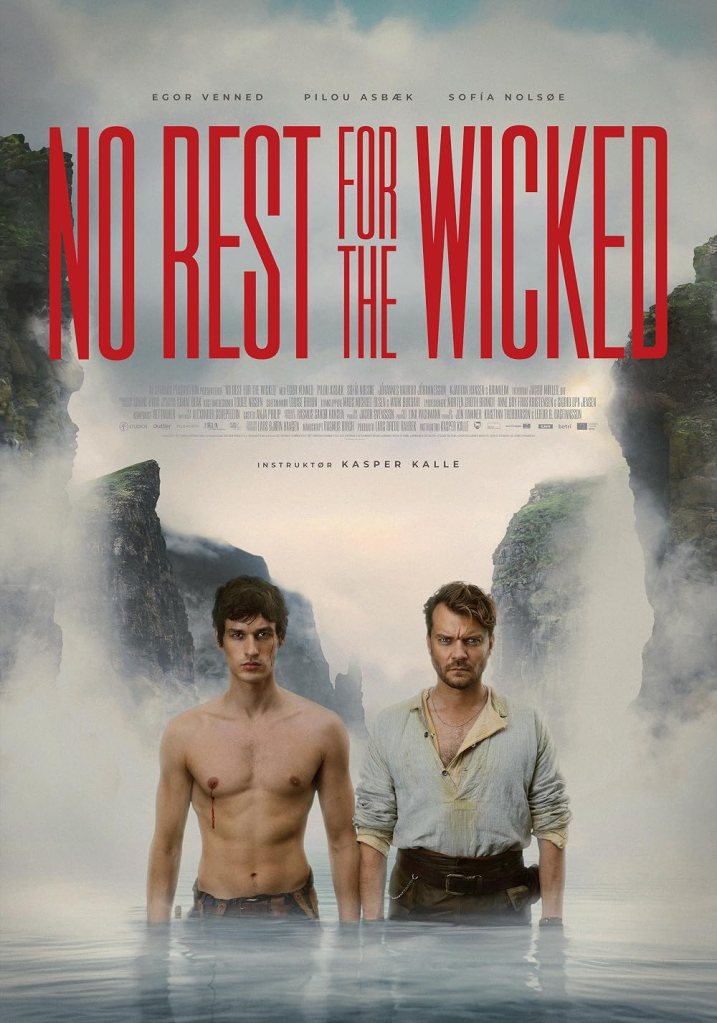
No Rest for the Wicked (2026)
Directed by Kasper Kalle
Screenplay by Rasmus Birch
Starring Egor Venned, Pilou Asbæk, Sofia Nolsøe, Jóhannes Haukur Jóhannesson, & Kjartan Hansen.
Horror
★★★★1/2 (out of ★★★★★)
At Fantasia 2026, Kasper Kalle’s No Rest for the Wicked premiered to the world: a story about a young man called Baldur (Egor Venned) and his mother Ásla (Sofia Nolsøe Mikkelsen) some time after his father died, when a whaler called Helge (Pilou Asbæk) arrives in their small fishing village and crashes into their lives. One night, Baldur runs his father’s boat into the rocks and Helge saves him from certain watery death. From there, the two men form a quick, intimate, passionate bond. Their new relationship is very much at odds with the village and the local church. But nothing, perhaps not even death, can separate Baldur and Helge.
Kaller’s film is a haunting queer gothic tragedy about queer love in the nineteenth century as it comes up against the power of religion. No Rest for the Wicked also brings one of the Gothic’s most enduring figures, the vampire, into the mix in a way that offers a beautiful, dark take on the queer vampire. This is a film and a story that’s never what you expect. No Rest for the Wicked questions: what would you do in order to never let go of the one you love?
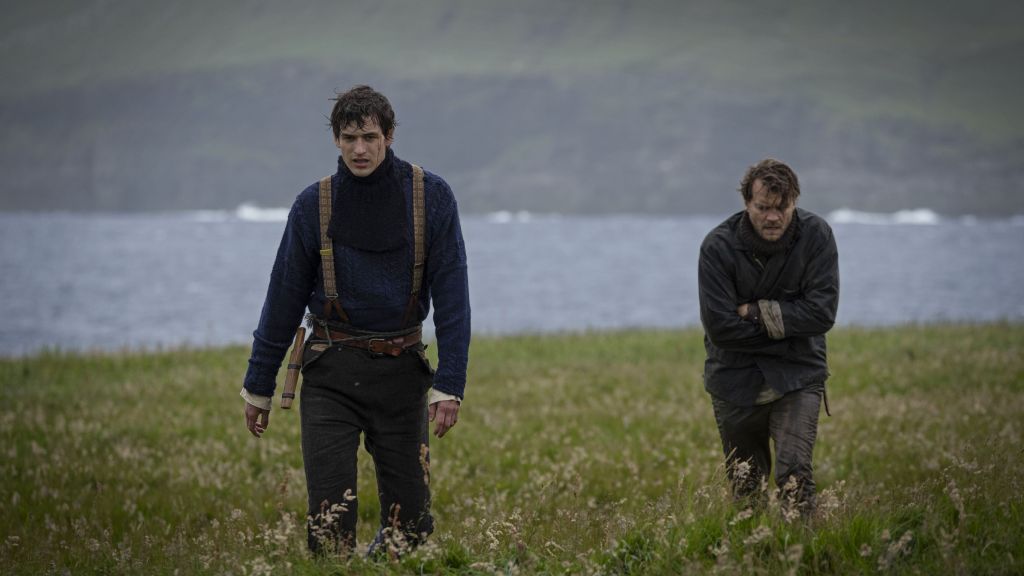
Even the film’s title is a reflection of the religious forces at work in the story, as the phrase “No rest for the wicked” comes from a paraphrasing of the Bible, specifically The Book of Isaiah in Isaiah 48:22: “There is no peace,” says the Lord, “for the wicked.” We quickly understand how ingrained religion is in Baldur’s world, as one of the first lines we hear him speak are from a prayer: “Protect me from the perils of evil…” Baldur sits shrouded within a veil of religious fear mongering, incapable of imagining anything beyond the heteronormative existence he’s always known. The most important line of the film comes from Helge early on when he and Baldur talk about the Faroe Islands where Baldur lives, on which there are no trees, only driftwood to be used for boat-making or other tasks. Helge says to Baldur: “A country without trees. You need to see a tree someday.” This statement is a metaphor about how when queerness is not visible, when all you get is the “driftwood” of life that clings to your shores, you don’t know what’s possible. Even though Baldur doesn’t leave the Faroe Islands, Helge helps him ‘see’ the trees.
Baldur doesn’t immediately allow himself to enjoy queerness. He has a nightmare after meeting Helge, imagining the older man on top of him forcing fingers down his throat. The power of eroticism and homosexual love in equal measure soon overpower any reluctance on Baldur’s part, and he allows himself queer joy, though it unfortunately doesn’t last too long. The beauty in No Rest for the Wicked is all about the move from a reluctant terror to acceptance of queerness. Kalle twists what could be a typically Gothic depiction of monstrous queerness, as Baldur’s nightmare frames Helge, into Baldur’s fleetingly lovely embrace of homosexual love/sex. There are no monstrous queers in this film, only the everyday monsters who threaten queer safety.
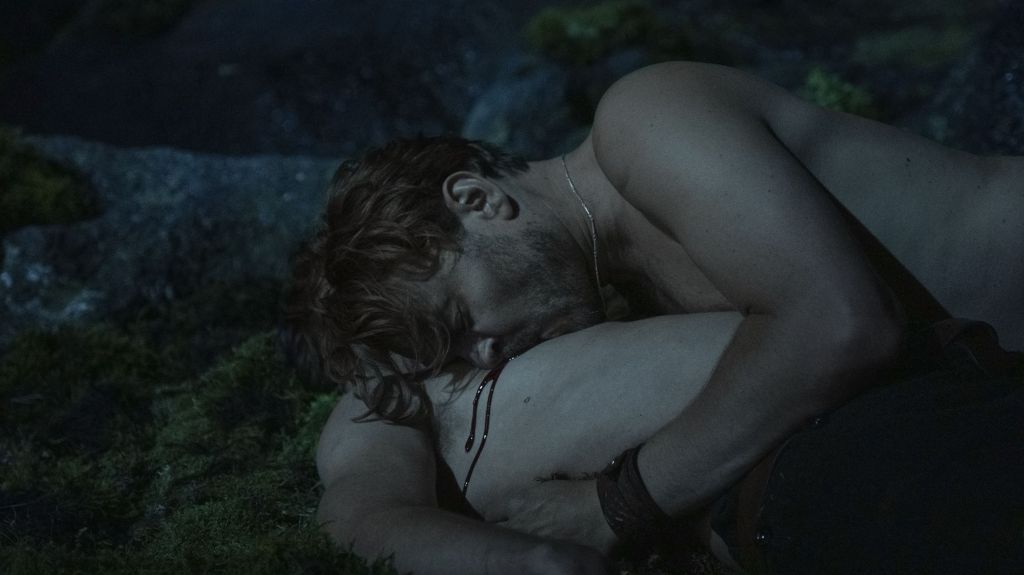
Vampire films are a dime a dozen. The queer vampire throughout fiction and literature has been fraught with issues; only very occasionally is it dealt with in a compelling, refreshing way (lately, see: AMC’s Interview with the Vampire). What’s so affecting about No Rest for the Wicked is it’s more a gothic romance than a gothic horror. It’s a captivating and heartfelt, as well as briefly sexy, exploration of how quickly love can blossom, especially at the tail end of repression. It’s a tragic story, yet not entirely. No Rest for the Wicked concerns itself with the power of love to mend deep wounds, though it’s likewise a haunting rumination on the lengths to which queer people must go simply to enjoy the love the hetero world is allowed to live out so freely.

