
Do you ever struggle to pick out a movie to watch? Has this just become a widespread societal issue because the algorithm has actually ruined all our brains and we now find basic choices difficult to make unless guided by an exterior technology? Are all our brains collectively rotting at the same rate? Smarter people than I will have to answer those last couple questions.
Regardless, it’s even worse when you want to watch movies for an occasion, such as during Halloween, then you spend endless time either scrolling through a streaming service or, like I do, standing in front of a shelf of films incapable of just choosing. If any of this describes you, a Halloween list like this one is the perfect way to remove that pesky barrier of making human decisions for yourself this October.
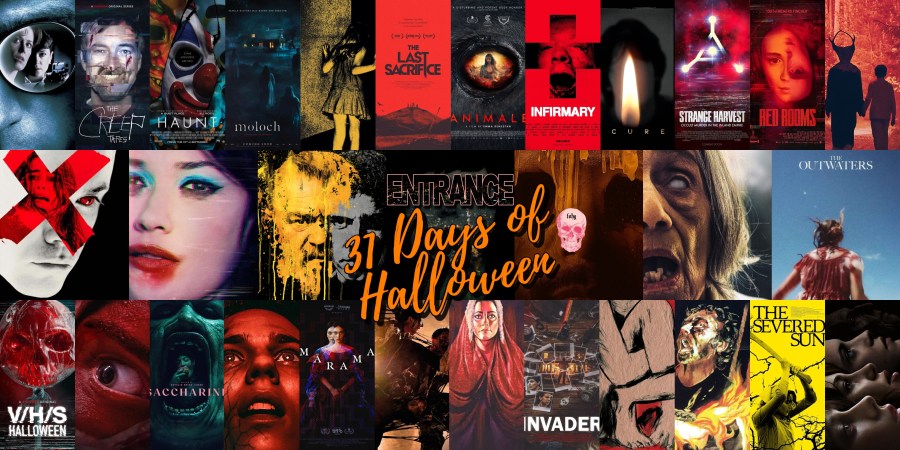
And so here’s a list of 31 horror films worth checking out during the most wonderful season of all. Enjoy! Or don’t, and get angry at me in the comments; whatever you feel is the best use of your time!
Faces of Death (2026)
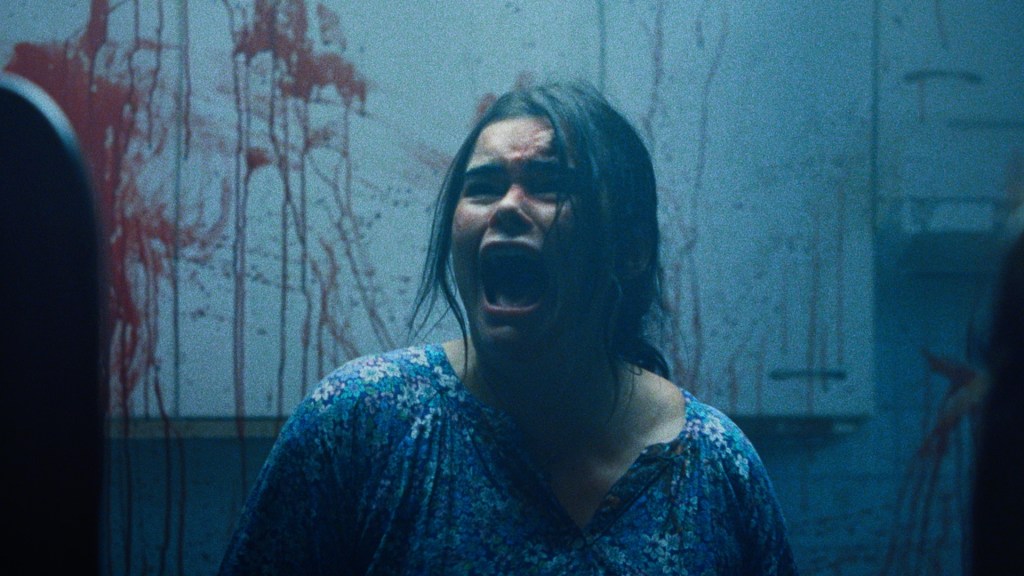
A metafictional update on the original 1978 film, 2026’s Faces of Death is an in-your-face, nasty exploration of how depraved people have become due to graphic videos on the internet. The film is at once a condemnation of our desensitisation and also a battle cry for empathy, as the protagonist tries to take matters into her own hands when nobody believes her that someone is making genuine snuff online.
Faces of Death is mostly about the dangerous place to which online desensitisation has led us, yet it’s also a fantastic commentary on how bad men getting away with inhuman horrors are running out of time because women have simply had enough of their destruction.
Full essay here.
The Creep Tapes (2024-current)
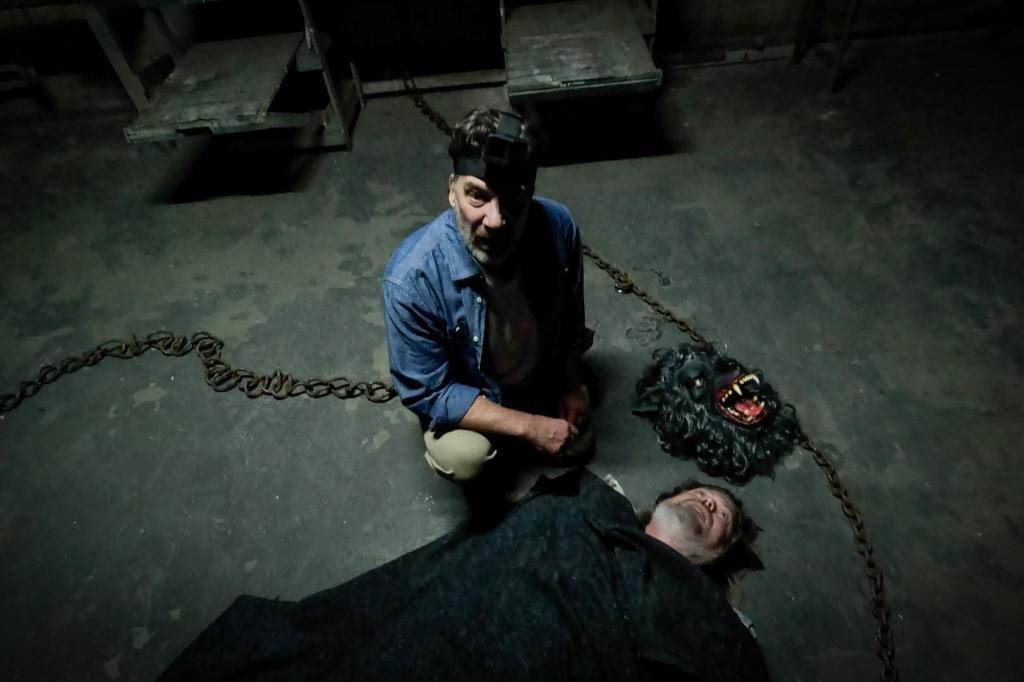
Mark Duplass and Patrick Brice developed something special with the original Creep film and its sequel, which they’ve carried on wonderfully and inventively through The Creep Tapes, now in its third season. The Creep Tapes is an exercise in feeling empathy at one moment and repulsion the next. Horror was never meant to be comfortable; Brice and Duplass recognise that. They also recognise the potential of what it means for the audience to keep getting to know Josef year after year, a man whose complex and complicated psychology is a goldmine of terror.
If you want something darkly funny and also incredibly disturbing on a psychosexual level, The Creep Tapes is where you’ll find it.
Full essay on Season 3 here.
Saccharine (2026)
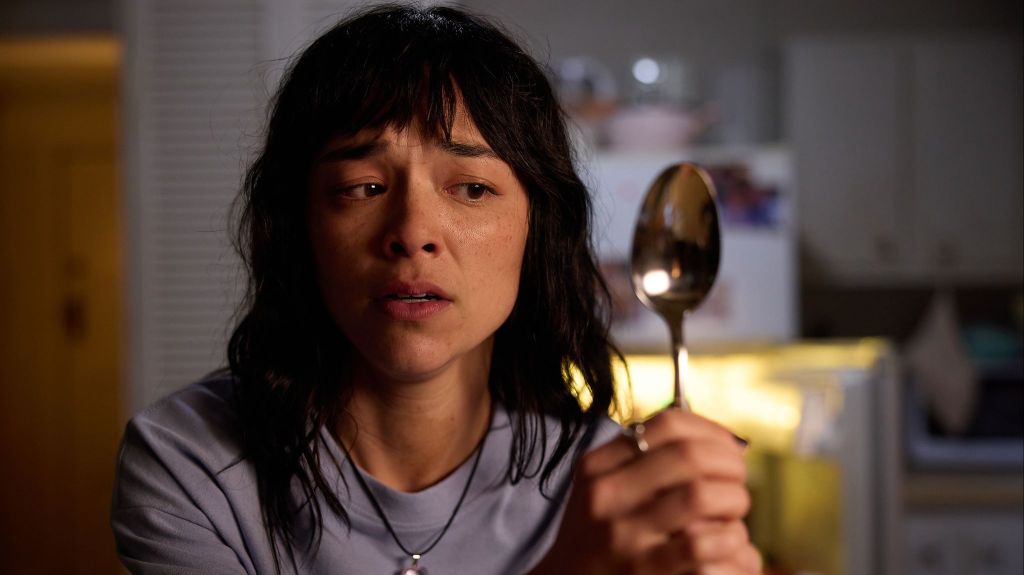
In the age of Ozempic and a renewed era of fascism pushing thinness onto women, Saccharine is a perfectly haunting tale of how an obsession about weight can lead people to do crazy, even scary things. One young woman’s struggle, both personal and cultural, with body weight urges her to use human ash in pill form as a method of losing weight. Thus begins a ghost story for our contemporary society filled with weight-obsessed terrors in all shapes and sizes.
Full essay here.
Other (2025)
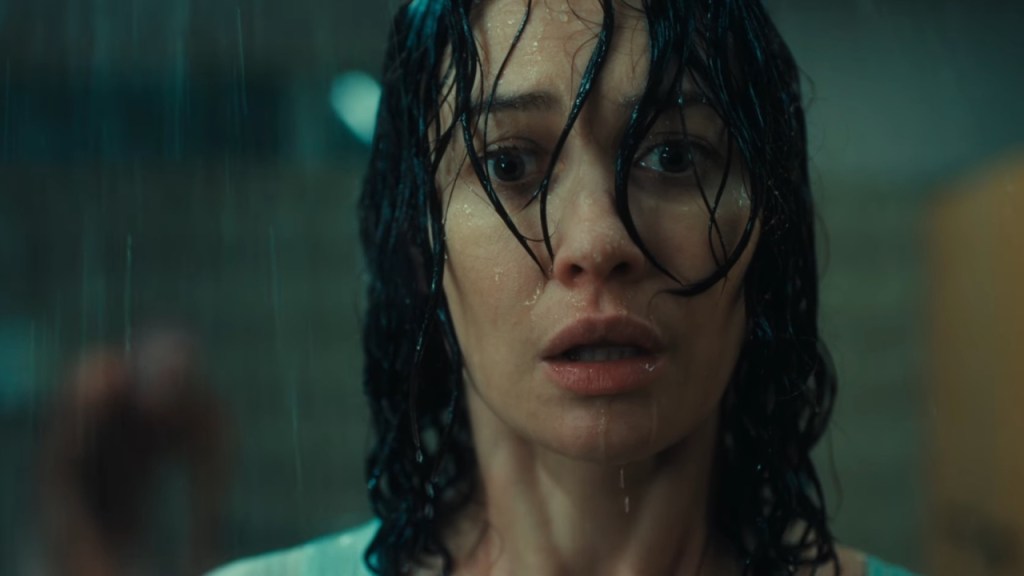
Horror is full of terrible parents, and David Moreau’s Other features one of the nastier horror-film moms in quite some time. Moreau tells the story of Alice (Olga Kurylenko), who returns to her childhood home after her mother dies. Like many Gothic returns, Alice’s is filled with reminders of a painful past, but also a past that continues to linger viciously into the present. It’s a film all about the dangers of control when it comes to parents and how they raise their children.
Other is a gruesome and unsettling tale that works in a way as a haunted house horror, except the haunting is much more real than anything supernatural.
Mārama (2026)
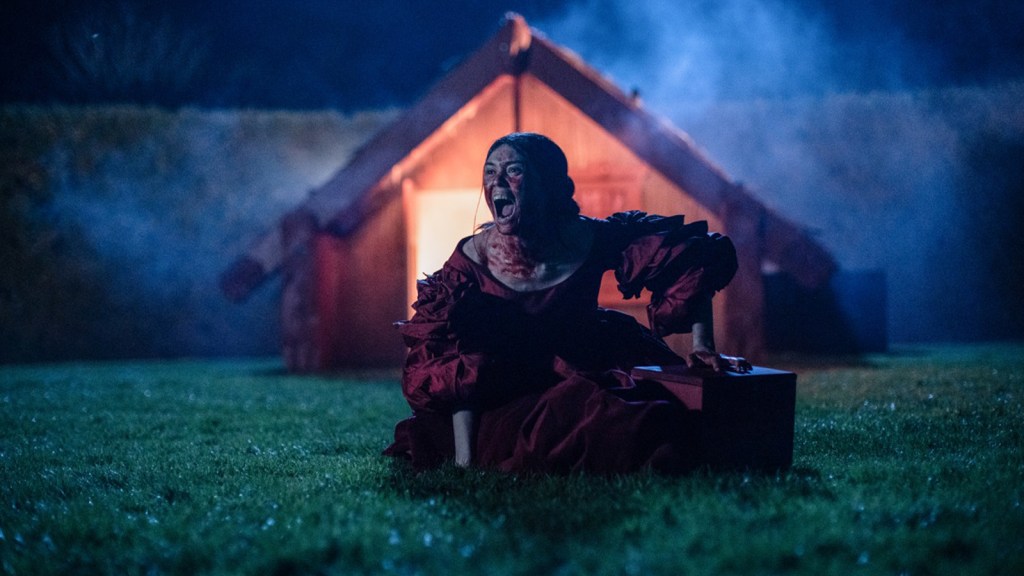
Postcolonial horror is increasing and Taratoa Stappard has blessed us with the first Māori Gothic film, Mārama, which grapples with the ghosts of colonialism and the very physical remainders of colonialism in the British Empire’s wake. Stappard’s film is visually impressive, though its greatest strength is its phantasmagoric story, dealing with a young Māori woman’s quest to discover what happened to her family. It’s a painful film and a glowing example of how horror is one of the most effective vehicles for cinematic politics.
Full essay here.
Infirmary (2026)
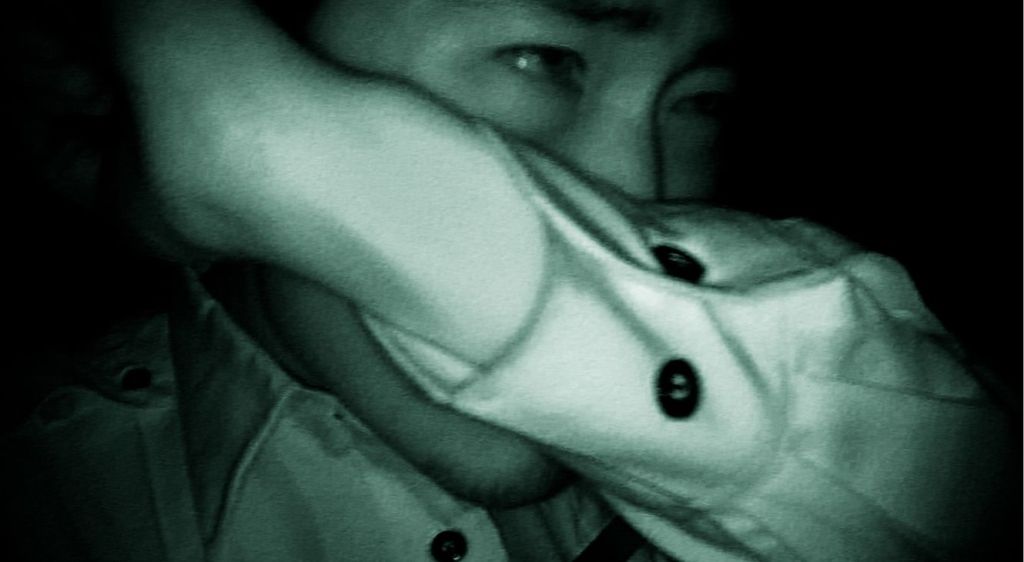
Infirmary is a good found footage film and a devilishly creepy haunted hospital film, too. A former soldier takes a job in a derelict hospital as a security guard, then his first shift spirals into terror. While this may not reinvent the wheel of the haunted hospital flick, Infirmary does subtly interesting things concerning a national focus with the former soldier, dialogue that calls back to the Vietnam War as well as more recent politics, and a federal investigation in the aftermath of the film’s events. Regardless, this is an excellent horror for viewing around Halloween.
Oh, if you hate mannequins: buckle up.
Full essay here.
Meat Kills (2025)
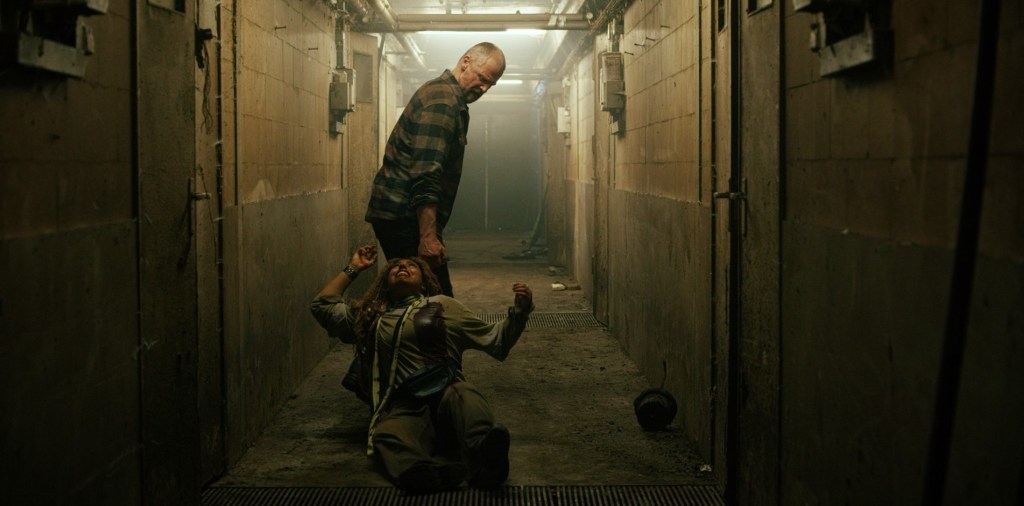
Whether carnivore or herbivore, Meat Kills will skewer you. This is a brutal, aggressive bit of horror that criticises people at the furthest end of the food chain spectrum: those who have no concerns about the animals they kill for food and those who’d use physical violence against humans to stop the industrial slaughter of animals for food. Meat Kills can’t be simply reduced to a political opinion because it deals with extremes, from its confrontation of food ideologies to its gruesome scenes of bodily horrors.
Full essay here.
Invader (2025)
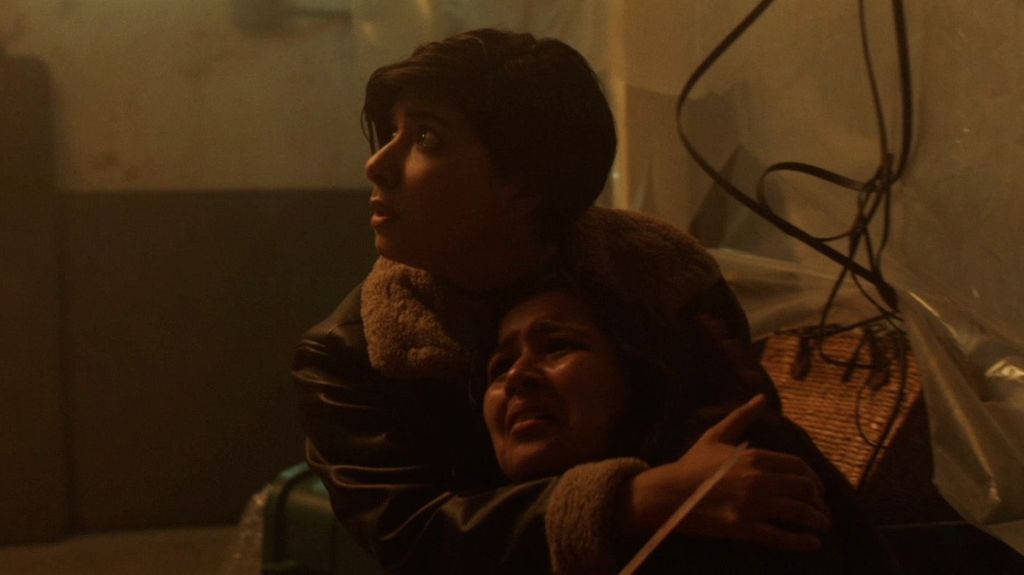
Mickey Keating’s Invader is a vicious little home invasion/slasher film about a man who wears a terrifying mask and lives in the homes of people he murders for a little while. When he’s interrupted by an unexpected relative of his latest victims, everything devolves into chaos. Again, Invader is a film that seems deceptively simple on the surface, when beneath is a much smarter and pointed story. Keating’s film features an interesting moment when the crimes of Richard Speck rear their head, and later a prominent Chicago flag hammers home the setting.
Invader will satisfy the horror-film bloodlust that Halloween can bring and it also boasts something more substantial to chew on underneath its tense action.
Full essay here.
V/H/S/Halloween (2025)
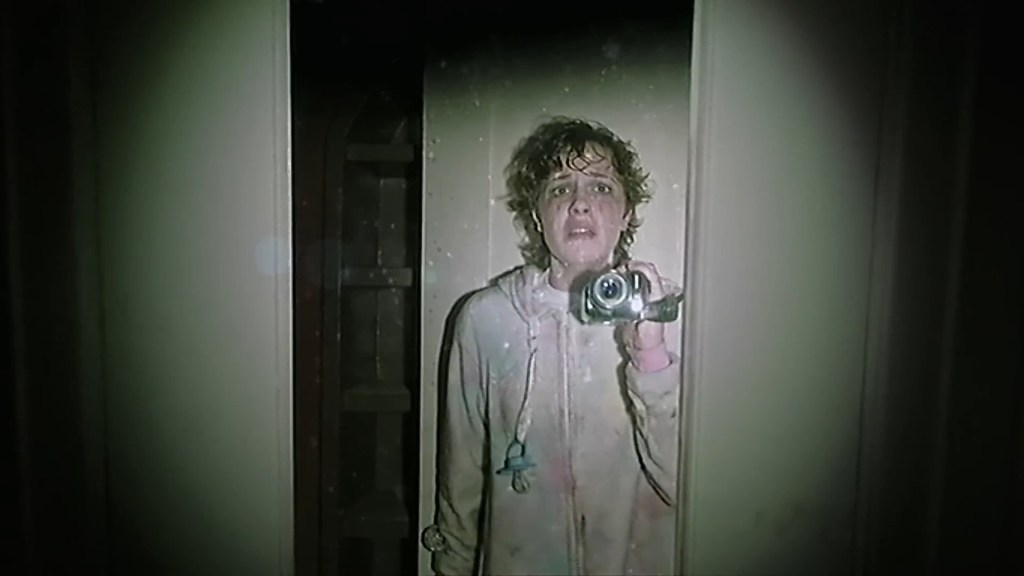
A perfect film for the creepy season, V/H/S/Halloween plunges a number of different people into their own respective nightmares for Halloween: a couple high-school girls dressed as babies for Halloween wind up in a house of horrors with a terrifying family (and more breast milk than you’d ever have anticipated); a mass murder reveals occult madness in Madrid; a group of young adults leave a party only to stumble into a parallel Halloween reality where they’re at risk of becoming Halloween treats themselves; in 1992, kids go missing and a local video rental shop becomes pivotal in uncovering the gruesome truth; a man’s homemade haunt warps into genuine living terror; and a wraparound segment features the test trials of Diet Phantasma, a soda made from violent poltergeists.
Nothing better than a bag of various treats for Halloween night! A little something for everybody here.
Full essay here.
The Wailing (2025)
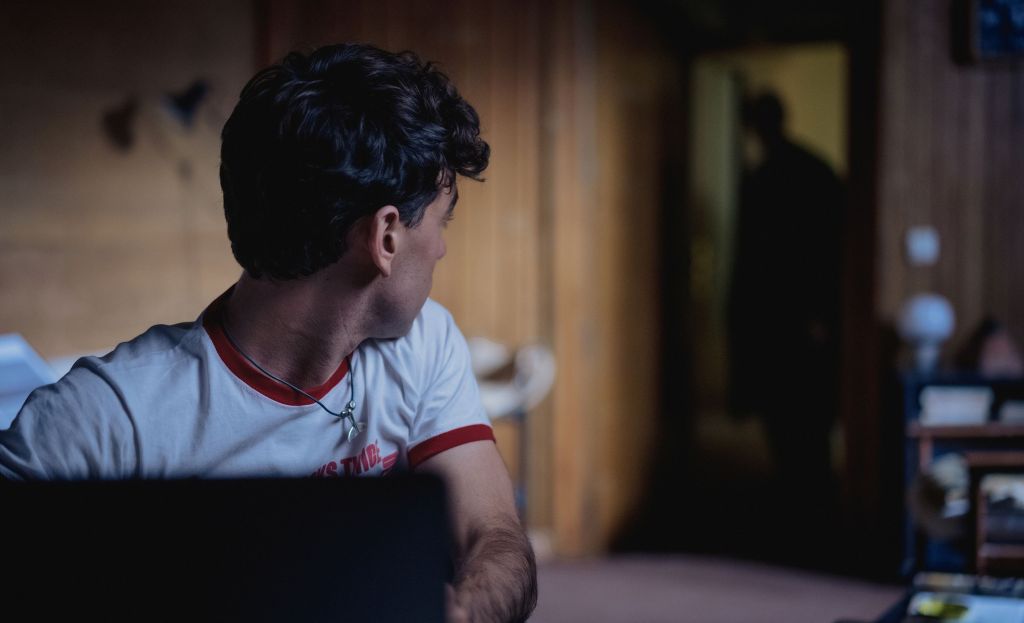
Easily one of the scariest films of the 2020s so far, Pedro Martín-Calero’s The Wailing connects several women across decades as they’re all haunted by an eerie entity who enters their lives abruptly and violently. It’s a film that confronts violence against women. It also contains one of the most frightening climactic scenes of any film in recent memory; that’s a subjective thing, obviously, but many will walk away feeling exactly the same.
This one is great for a dark, stormy October night when the lights are all out and a scary film makes you wonder what’s lurking just beneath the shadows.
Full essay here.
Hellcat (2025)
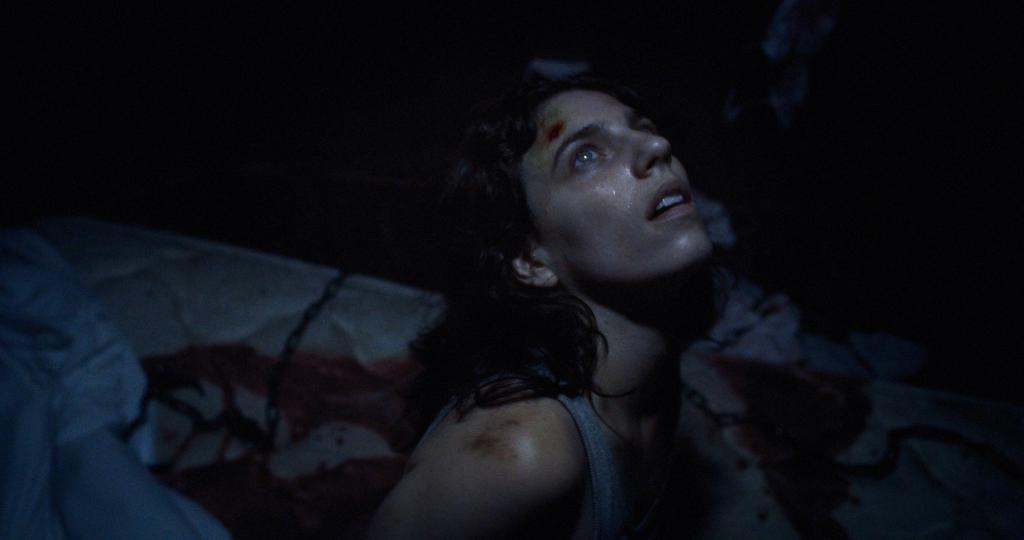
Hellcat is a claustrophobic horror-thriller that’s ultimately about belief. To say too much of the plot would be to spoil the lovely horror-film surprises in store. Brock Bodell’s film begins with a young woman named Lena (Dakota Gorman) waking up in a trailer attached to a truck headed who knows where. A voice belonging to Clive (Todd Terry), the man in the truck towing the trailer, comes through an intercom to somewhat explain Lena’s predicament: she’s been seriously injured and if Clive doesn’t get her to a doctor, things will get far worse. With very little info, Lena tries to piece together what’s happening and whether Clive’s actually trying to help her.
Bodell’s film is lean, mean, and says a lot about how and what we choose to believe. Sometimes, as Hellcat suggests, even the people who seem absolutely batshit can be right. And we all have to confront the limits of our beliefs from time to time, right?
Full essay here.
Colony (2026)
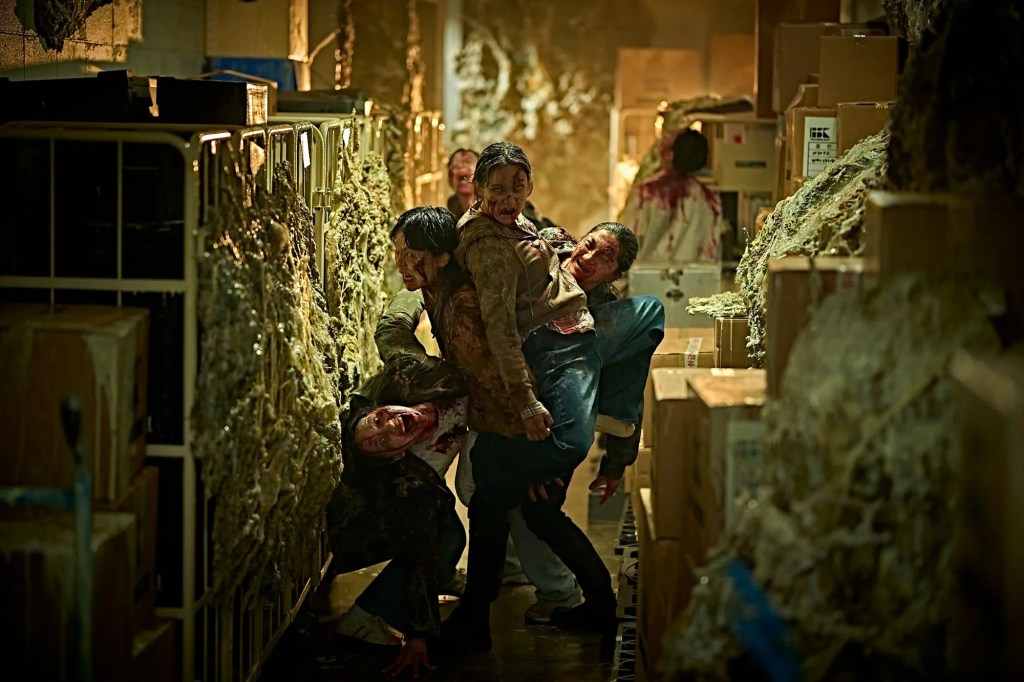
Yeon Sang-ho’s Colony is a heart-pounding zombie film that deals with COVID-19 anxieties and the human tendency towards following a herd, especially in the age of social media. Colony is smart, occasionally funny, and gruesome. Every so often another zombie/infection film comes along to remind us that not every little thing’s been done before in the sub-genre, that the best of these films challenges the order of things like Romero before them, and Colony is such a zombie film.
Strange Harvest (2025)
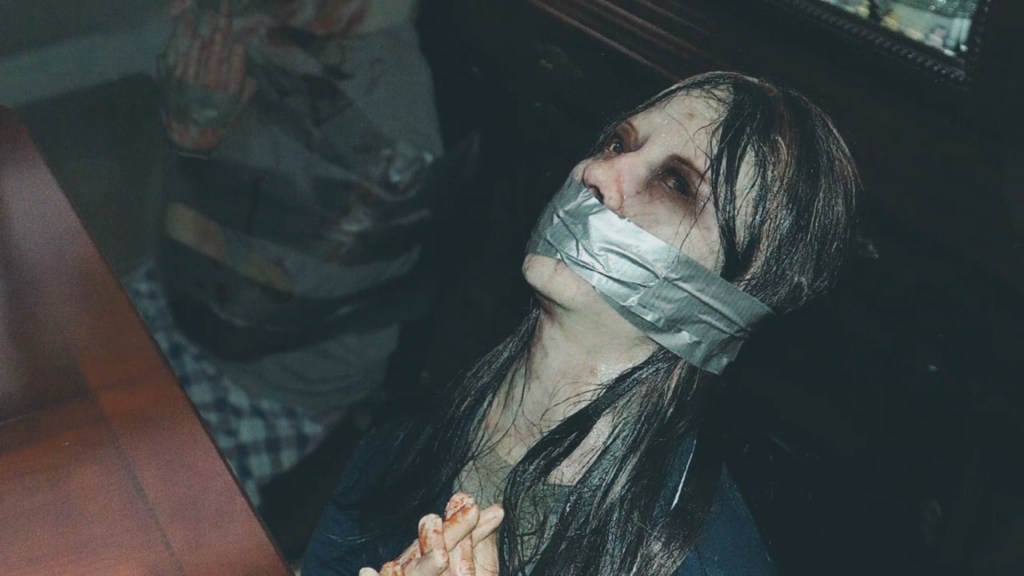
While I like The Poughkeepsie Tapes, Strange Harvest is the film that The Poughkeepsie Tapes wishes it was. They’re also far different in fundamental ways, particularly in scope. Strange Harvest is a horror mockumentary about an eerie serial killer called Mr. Shiny who returns after going silent for nearly two decades and begins leaving strange clues at his murder scenes.
Strange Harvest goes further beyond a true crime-style mockumentary horror film and enters into cosmic horror territory. Not only that, the mockumentary itself is done well and acted well to make everything feel more genuine. While Strange Harvest is a fun little film, it didn’t hit mainstream pop culture, yet Mr. Shiny’s creepy mask would look solid on the rack next to other traditional choices for a Halloween mask. A good film for addition to the Halloween viewing list.
Animale (2025)
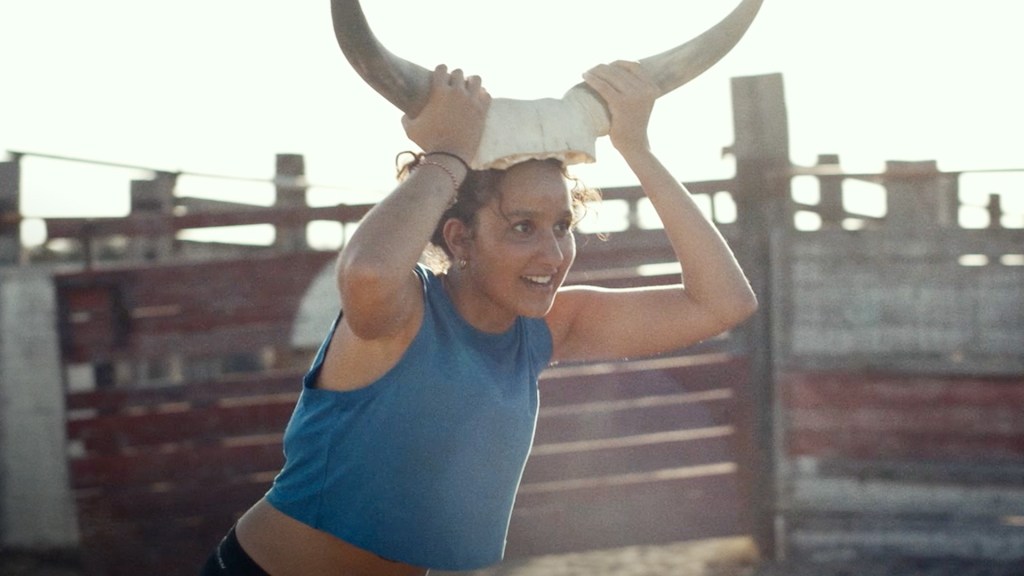
Animale deals with issues of toxic masculinity within a male-dominated world like bullfighting in Camargue, France. When Nejma (Oulaya Amamra) begins to relate closely to the bulls following her apparent attack by another bull, Benestan compares the plight of animals and women, juxtaposing the different violences done to them. Animale looks at how far too many men see both animals and women as consumable for their entertainment and satisfaction. It’s a searing portrayal not only of how male violence can provoke even worse, though not unjustified, female violence in retaliation, and likewise an agonising body-horror metaphor about the ways in which traumatic violence can alter the makeup of a person’s body and soul.
Full essay here.
The Last Sacrifice (2024)
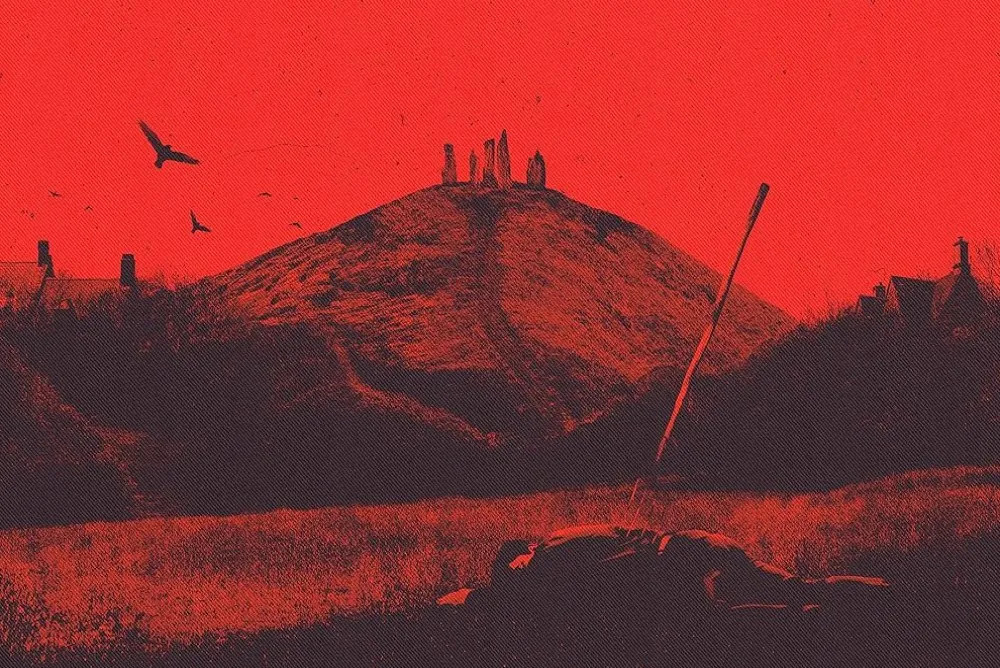
The Last Sacrifice expertly intertwines a history of folk horror in British pop culture, the true crime tale of Charles Walton’s murder, and witchcraft’s religious evolution across the United Kingdom in the mid-twentieth century while simultaneously bringing up important discussions about how all this reflects a part of British identity that might not always be easy for British people to look directly in the eye.
Full essay here.
What Happened to Dorothy Bell? (2024)
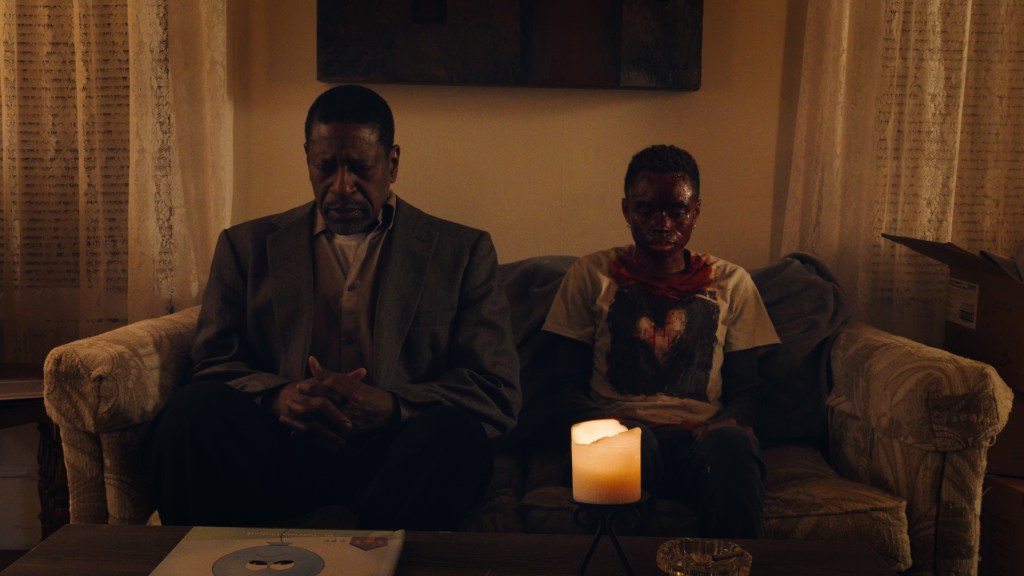
Villanueva’s film has such a strong impact because it crosses issues of hereditary mental illness with the supernatural and demonic possession in order to tell a story of a family, like so many other families, plagued by psychological terror. The film never conflates the two; it isn’t trying to take a religious perspective by portraying demonic possession as the cause of mental illness. What Happened to Dorothy Bell? turns the typical Judeo-Christian idea of demonic possession into an allegory, focusing it on one tortured family and their struggle to try breaking the cycle of mental illness and the shame traditionally associated with it that has possessed them for far too long.
Might need to keep the lights on for this one.
Full essay here.
The Severed Sun (2024)
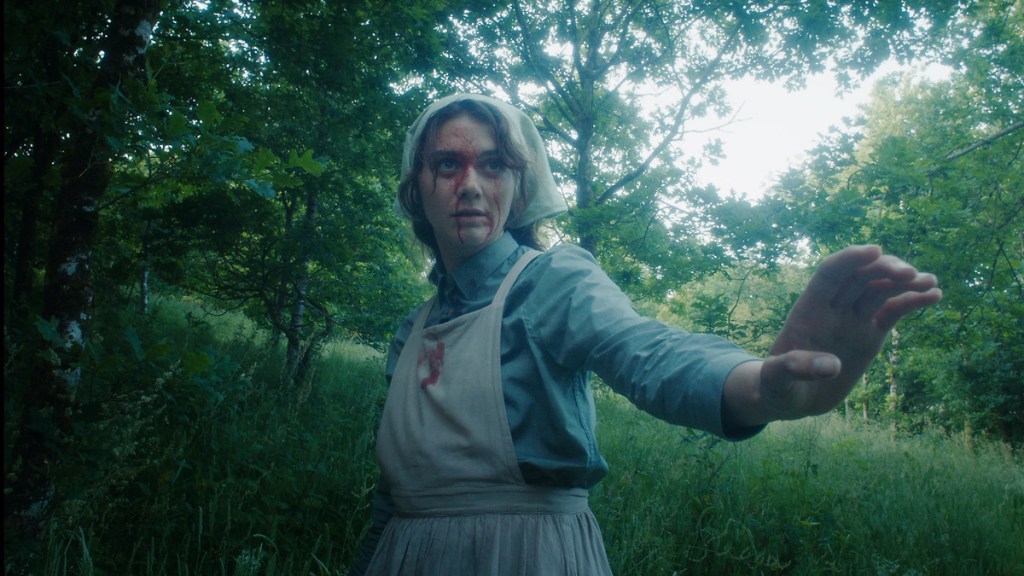
The Severed Sun doesn’t involve any established mythology or legends in any particular culture, and, instead, Dean Puckett crafts his own unique, folklorish tale of how when vulnerable people are left without anyone to turn to, they turn to whatever will save them. Magpie’s (Emma Appleton) years of living under her father’s (Toby Stephens) religious vice grip, and living in a community that cares more about religion’s traditions and rules than the flesh and blood people actually living in it, drive her to find solace in all the things that their faith believes is wrong, whether it’s sex, or vengeance against horrible men, or a kinship with the shadows.
Puckett’s film is, most of all, about a community that feels threatened by the differing values of some of its members, all the while the true threat is the one posed by the community itself that threatens the lives, love, and happiness of those members who don’t fit into Christianity’s brutal, rigid system. Good stuff for a pagan Halloween.
Full essay here.
Copycat (1995)
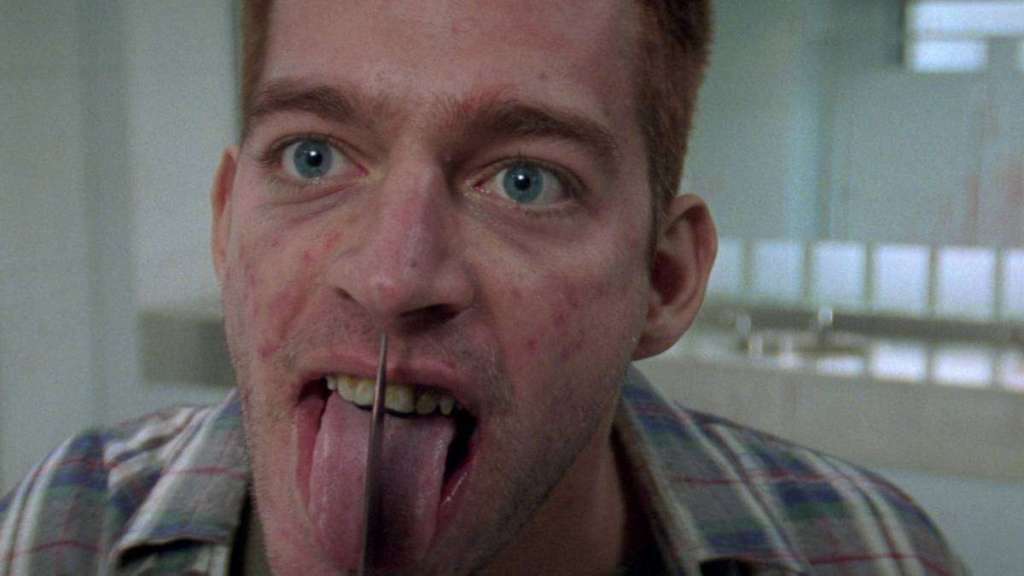
Copycat is a perfect Halloween tale. One of those 90s films that’s campy and scary. It’s got Sigourney Weaver playing an agoraphobic criminal psychologist, Holly Hunter and Dermot Mulroney in kinda horny cop mode, and Harry Connick Jr. as a greasy, disturbing serial killer. On top of all that, the plot revolves around a serial killer who’s recreating the classic murders of various well-known killers in American pop culture. In some ways, Copycat is a horror-thriller that was ahead of its time, and, similar to a couple other films on this Halloween watchlist, confronts the pop culture obsession with real crimes.
If you’ve never seen it, Copycat is a 90s classic that’s endlessly rewatchable, and a campy film right at home during Halloween season.
The Soul Eater (2024)
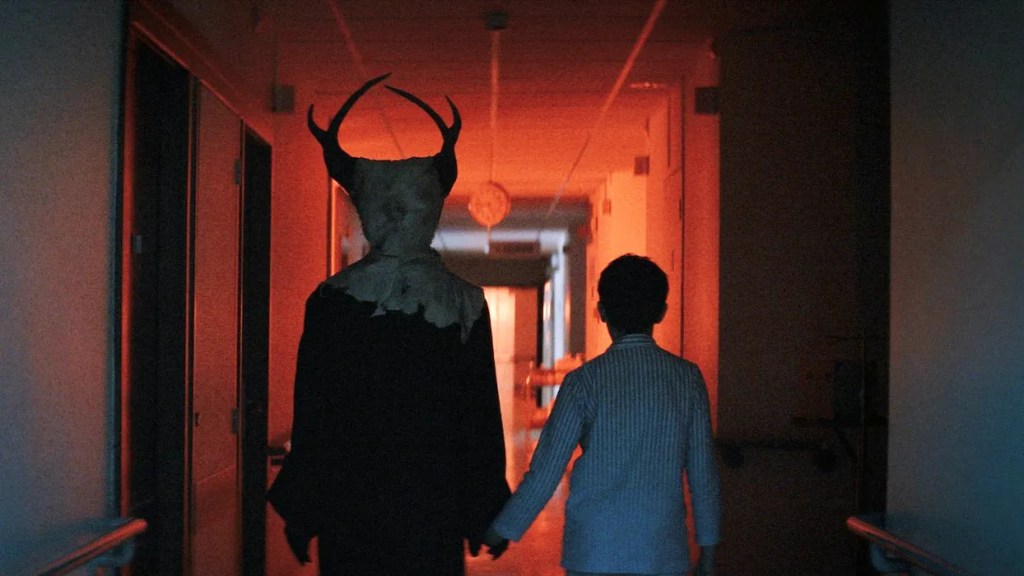
What Bustillo and Maury do so perfectly in The Soul Eater is combine crime-thriller elements with the horror genre and folklore in service of revealing how a little town has been corrupted and, in turn, corrupted the lives of so many children and their families. The film explores how folklore and legends can be methods of control over the lives of a culture, especially over the young, and how the stories we tell, to others or ourselves, can hold great, even terrible power beyond just words. Proper creepy and twisty for a Halloween watch.
Full essay here.
Santet (1988)
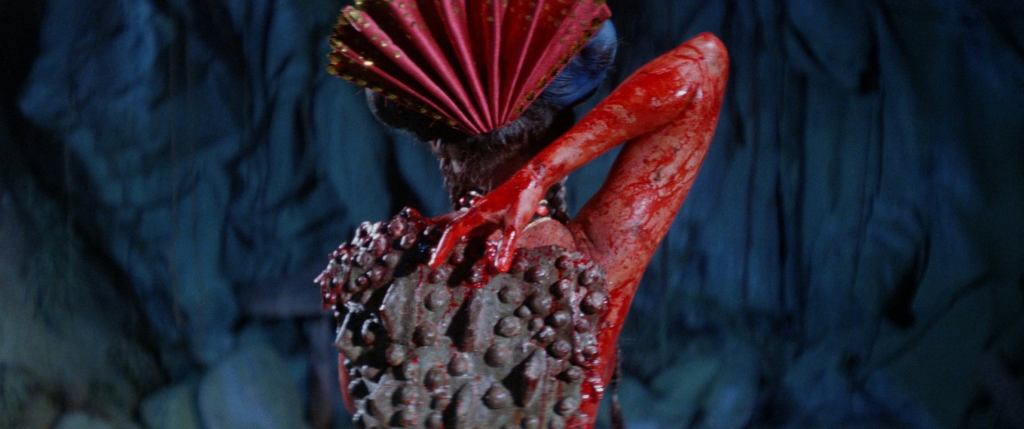
If you need a bizarre, supernatural, surreal horror for your Halloween movie marathon, 1988’s Sanget will absolutely quench that cinematic thirst. It’s a supernatural revenge tale that kicks off after a woman’s husband is killed and she’s then given horrifying powers by a witch. One of Indonesia’s wildest films, full of insane imagery and black magic terrors. A unique piece of horror cinema.
Santet is perfect for Halloween because it features a number of simply unforgettable images that would make gnarly getups at a costume party. Another film that’s tailor-made for group viewing. You’ll laugh a bit and you’ll also be a little hypnotised by the utter madness on display.
The Outwaters (2022)
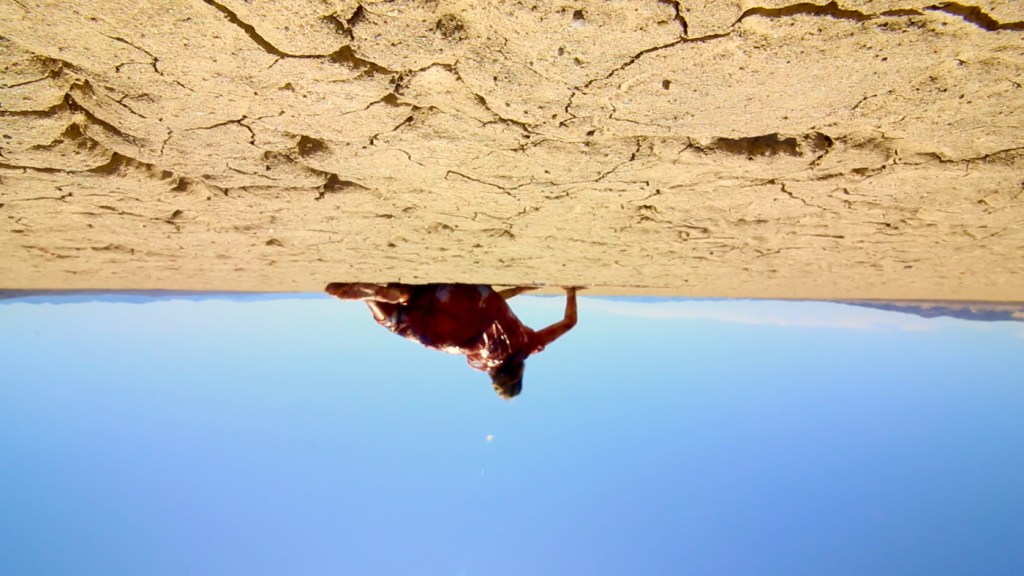
The Outwaters does so much undercover historical work within its cosmic horror frame that you could easily just watch the film and never pay much attention to the signs and symbols, or really notice them at all. Still, there’s no denying that most of the film’s symbolism points towards American history, as Banfitch depicts said history like a trip through Hell and back. Living in the United States of America and trying to grapple with its long historical project of bodily horrors and psychological terrors is an existential, cosmically terrifying feat in itself. The Outwaters grapples with it all by telling this haunting, tragic tale of four people succumbing to the horrors of the nation’s history out in the shadows of the desert.
Full essay here.
Moloch (2022)
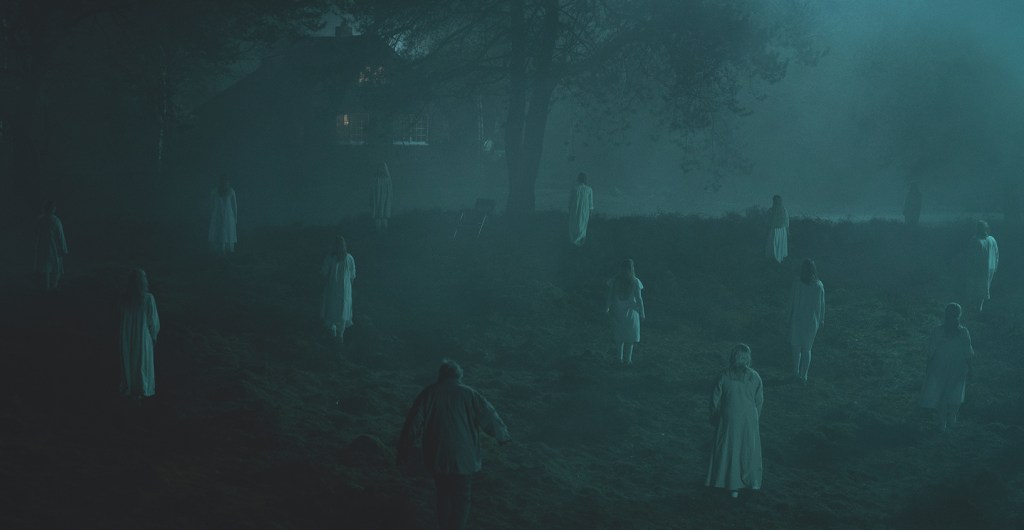
If you’re looking for a timely bit of Gothic combined with folklore for your Halloween viewing, Moloch is a film that resonates strongly with the concerns of today, as nationalism runs wild all around the globe and the populists pushing it love reverting back to stories about the old days, when things were supposedly ‘great.’ The film’s little village has resigned itself to an all-encompassing belief in folklore and mythology, not reality, and it rules their lives with deadly force, not unlike the nationalists who reach into the past for folklore and myth they can bend to their purposes. Moloch is a story about communities that can’t face their actual histories, nor how the contemporary world judges those histories, so they retreat into harmful, mythic stories to prop up ideologies that often violently oppress others.
Full essay here.
Haunt (2019)
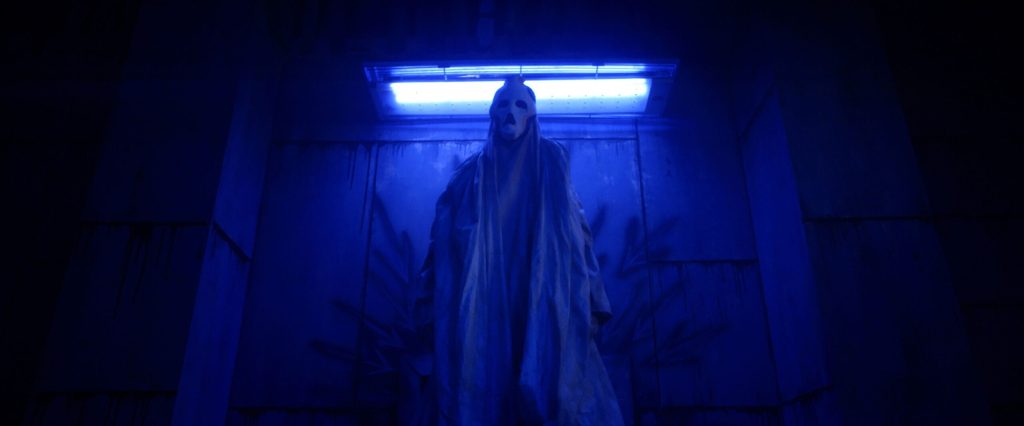
In an era of extreme haunts, 2019’s Haunt is a welcomed piece of horror about a group of young people encountering a haunt that turns horrific as the body count isn’t a bunch of props, rather it’s a genuine stack of bodies piling up the further the group move through the haunt. This film is just good old fashioned horror fun about confronting our fears. It doesn’t over-complicate. It sticks to the basics of making a brutal slasher-style horror and keeps the audience on its toes the whole way through. Very good for watching with a crew. Particularly if you’re going to visit a haunt yourselves soon and want to amp up your anxiety a little more.
Mr. Mercedes (2017-2019)
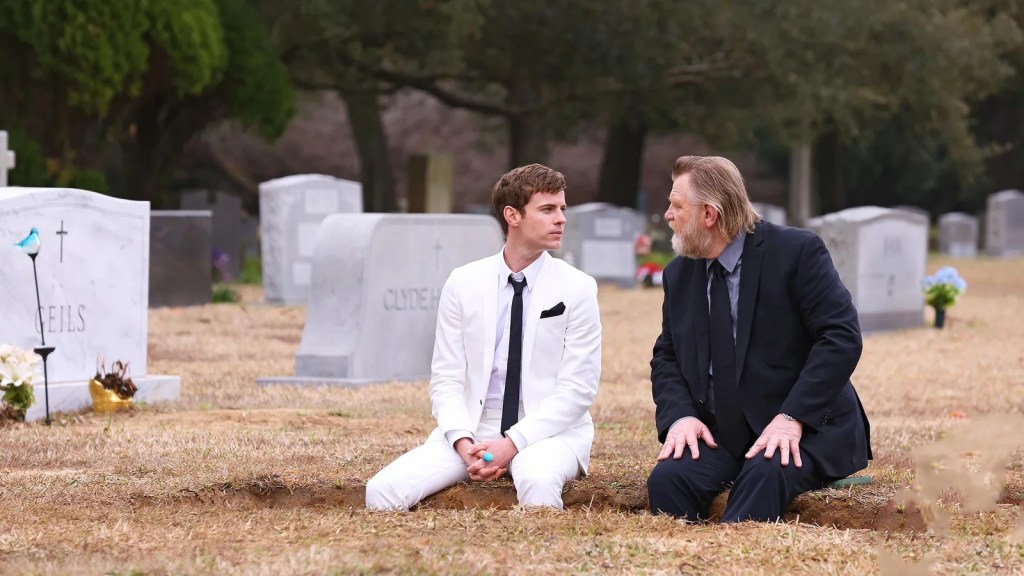
There are plenty of TV shows and films about cops who can’t let a case go, but very few are as good as Mr. Mercedes, a story about a retired cop (Brendan Gleeson) whose obsession with an unsolved case puts him right in a serial killer’s (Harry Treadaway) crosshairs and begins to destroy his life. Stephen King’s source material is great, and the show adapts it stunningly, from the music choices to its willingness not to flinch in the face of King’s darkness.
Mr. Mercedes is a disturbing and angry story a lot of the time, yet it’s also a beautifully poignant exploration of alcoholism and emotional vulnerability. You might never look at a frozen hamburger the same ever again afterwards.
Recap reviews available here.
The Pact (2012)
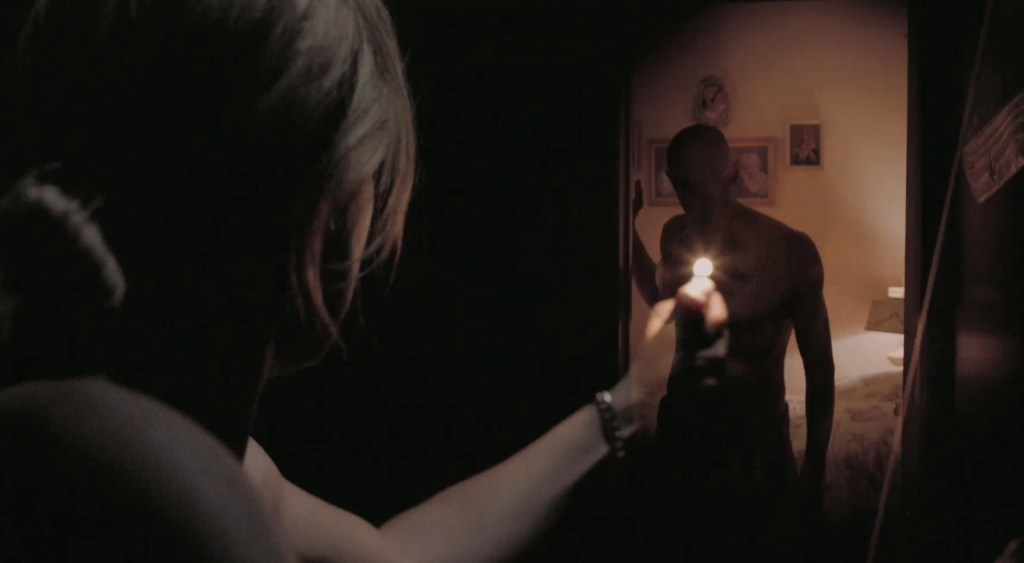
Family secrets and traumas are what make up more than half of the horror fiction in existence, so it can be hard to find a new, interesting way into those stories, which is why The Pact feels very different from a lot of similar fare. It’s a story about a young woman who returns home when her mother dies, but when she goes missing her sister tries to look for her only to uncover a dark secret in their family past that continues to plague the family and their mom’s house. The Pact isn’t perfect, and doesn’t have to be; it’s just a good, unsettling work of horror that pulls together real-life family horrors and supernatural terror.
Full essay here.
Rituals (1977)
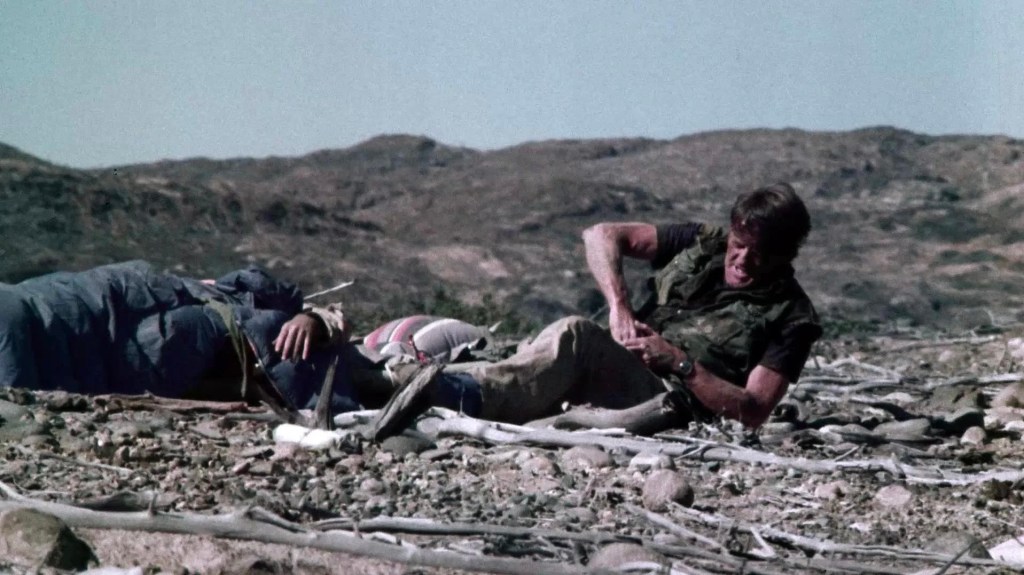
In 1977’s Rituals (a.k.a. The Creeper) a group of doctors get together in the Canadian wilderness, dropped off by plane in a remote part of the forest. One day, their shoes go missing, except for one man who decides to walk for help. It’s after he leaves when the others discover something disturbing is happening in those woods. This is an early slasher and it does interesting things pitting a bunch of rational, logic-driven doctors against a brutal, unforgiving, irrational slasher hiding in the forest.
There are similar themes happening in Rituals as there are in Deliverance, though they’re otherwise entirely different films. Rituals deserves more love and recognition because it’s a hidden classic from the early days of slashers, the locations are a spectacular backdrop for its brutality, and its story lifts it above many early entries in the sub-genre.
Full essay here.
Disappear Completely (2022)
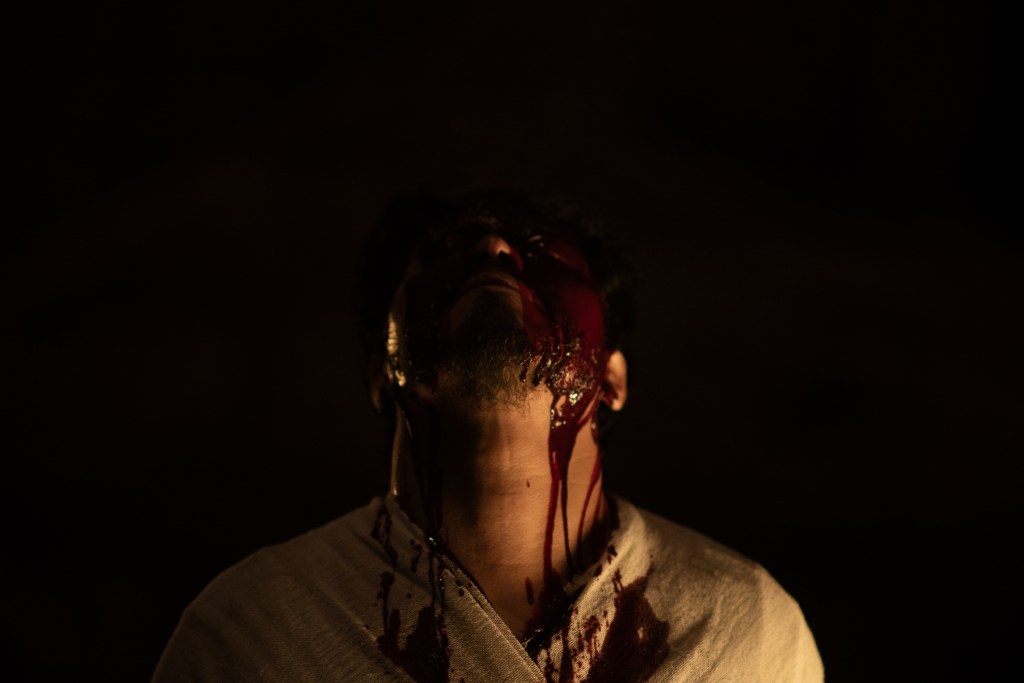
If you’re looking for a supernatural horror that’ll make your blood run cold this Halloween, Disappear Completely is an unnerving supernatural story that brings the morality of our everyday world into question when it comes to the pop culture obsession with true crime. The story doesn’t only point a finger in the direction of the filmmakers and creators of true crime, it just as much calls into question our roles as viewers. In the end, the film is a morality play in which one man must decide whether the money gained from infamy is worth his soul, or if he wishes to die with a shred of his humanity left intact.
Full essay here.
Red Rooms (2023)
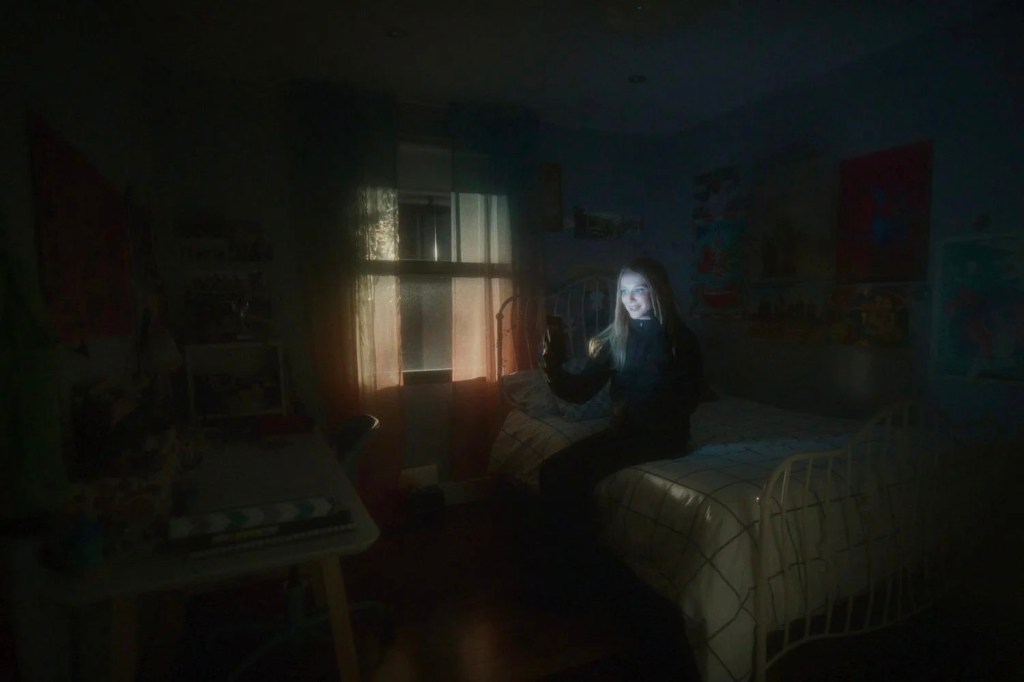
Red Rooms is one of the most quietly disturbing stories of the 2020s. Plante’s film grapples with the contemporary landscape of North American society and its relationship with media by giving us a story about a serial killer that works hard not to make the murderer, nor his crimes, the star of the show, and instead focuses on the sick obsessions they provoke. Red Rooms is just as much about greed and how the love of capitalism has become so great it literally consumes people in the way of a meat grinder within the hidden terrifying online spaces facilitated via the dark web. It’s a film about society out of control and the many awful ways people are consumed, whether by obsession or by murder.
Full essay here.
Entrance (2012)
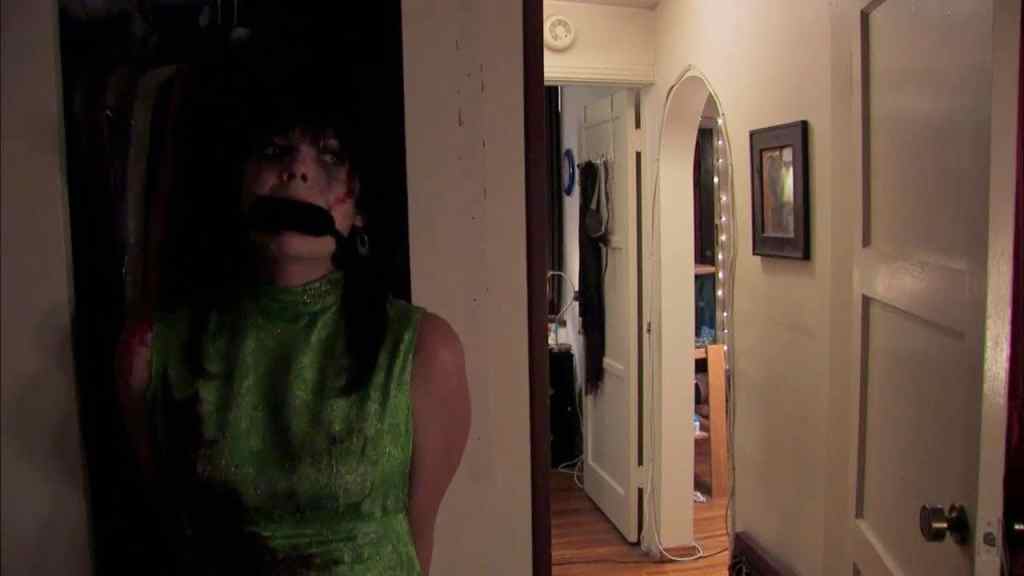
For the last 14 years, I’ve thought about Entrance when I hear a strange noise at night around the house. This film passed under a lot of radars when it was released. It’s a horror that will stick in your head for a long time if you enjoy the prospect of real-life horrors more than anything. The simple story follows a young woman going about her life while somewhere on the periphery lurks a dangerous man stalking her every move. The terror comes down quickly in the end after a very, very slow burn. Entrance will not be for everybody. For those who get into it, it’ll stay with you forever.
Impetigore (2019)
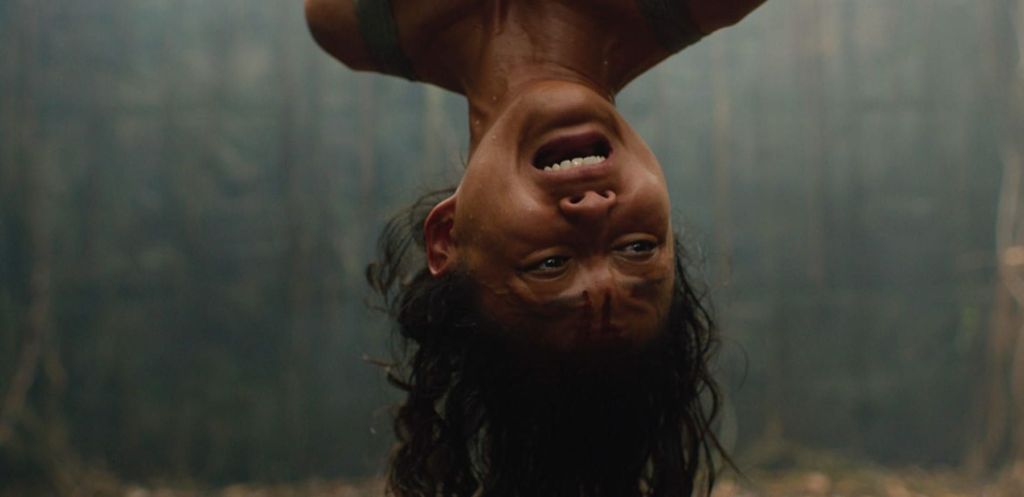
Impetigore is another unsettling supernatural horror story that uses folklore in its terror. Joko Anwar’s film starts off with a chilling attack in the city of Jakarta at a tollbooth and eventually makes it way to a remote rural village in Indonesia where a woman looks into an inheritance which actually reveals an awful curse. This is a horror story that never lets up, beginning with a relentless, frantic attack at the tollbooth. Anwar uses the supernatural and folklore well while never letting the horror stray far from pure flesh and blood.
Cure (1997)
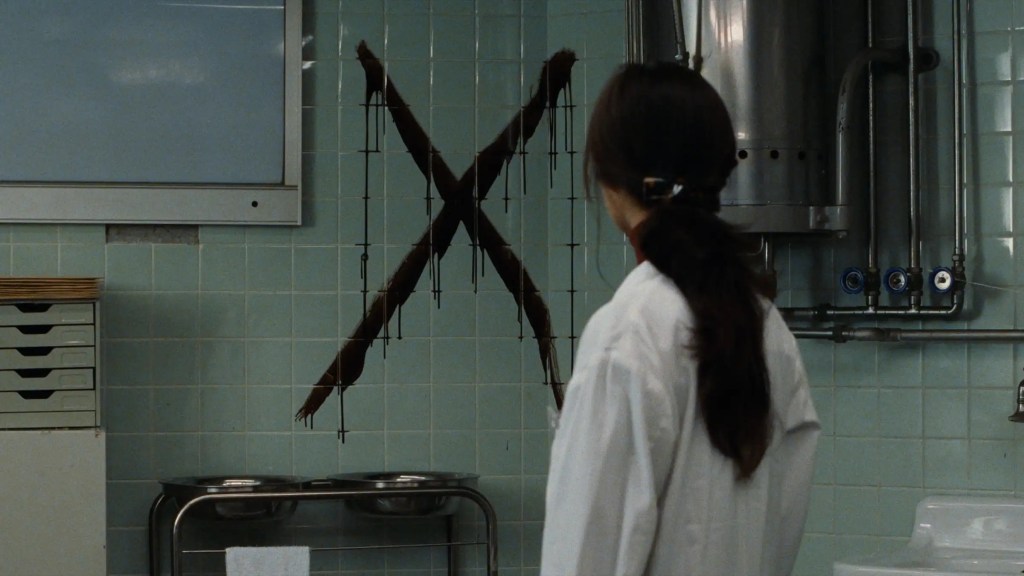
I saw Kiyoshi Kurosawa’s Cure for the first time in 2004 when I was a film student in Ontario, and I didn’t see it again until 2012, but I never forget a single frame of it in that 8-year gap. Certain scenes and images in the film were like canvas paintings hanging behind my eyelids.
On its face, Cure is about detective in Tokyo investigating a bizarre series of violent murders committed by seemingly random people. Beneath the surface, Kurosawa’s film probes at our minds about free will and the nature of evil. It’s a psychological horror film that leans on our anxieties, as the best horror films do. Cure often digs into our own fears of loneliness, rather than the typical horror films fear of being alone. From start to finish, Kurosawa’s film is tense and filled with dread. Cure is a police procedural and a horror film, though neither label gives it proper due, as it’s a haunting cinematic exploration of human darkness and social decay.

